
When Your Loved One Misses Fishing at the River
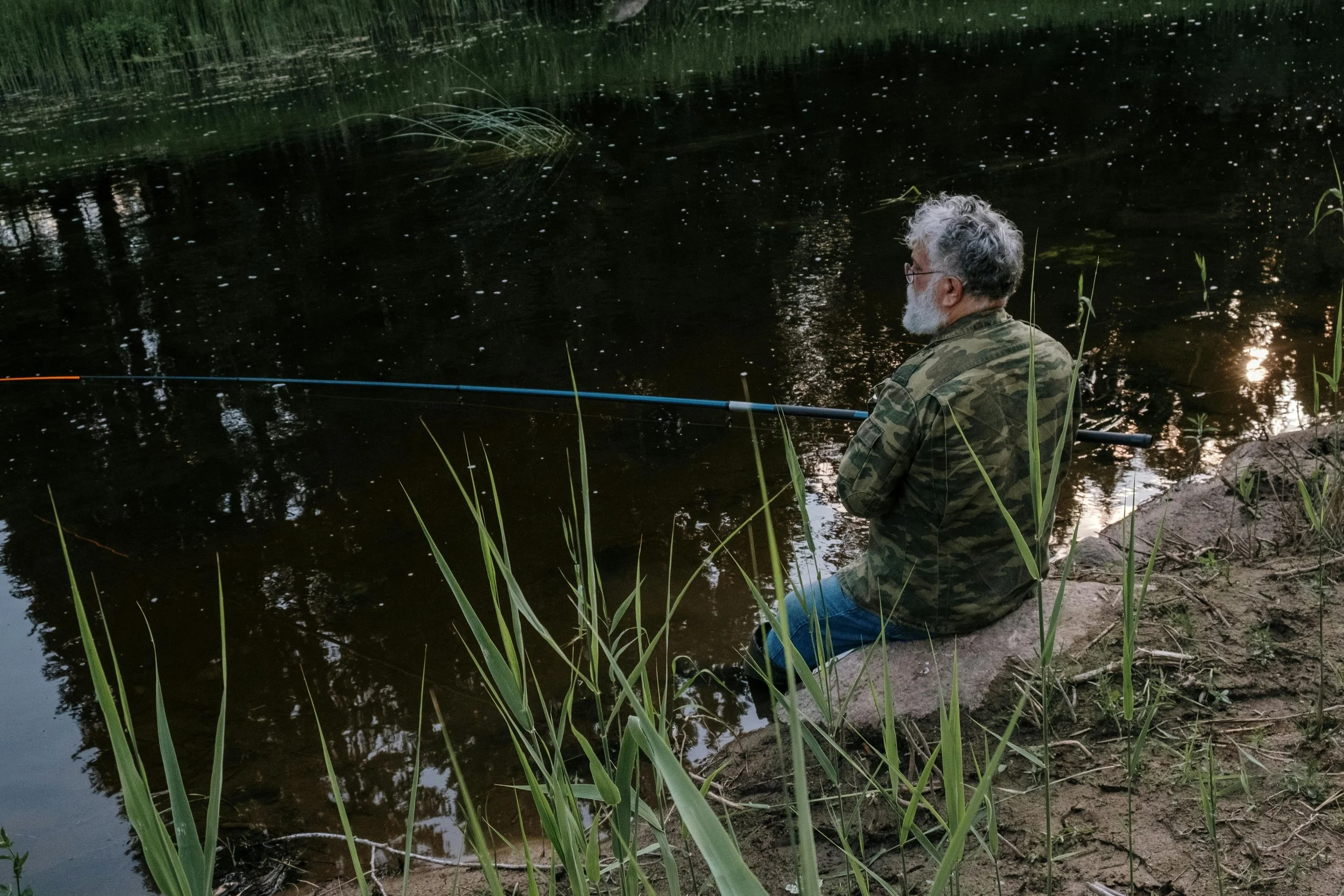
April arrives and fishing season opens on the Smith River. For decades, maybe even their entire life, your loved one has been on the river or at the harbor on opening day. They know which holes produce best in early season, where the steelhead run thickest, and exactly what setup works for the conditions. They've fished through rain, cold, and every kind of weather Del Norte County throws at anglers. Fishing wasn't just a hobby… it was part of their identity, community, connection to the rhythms of the year, and time spent in places they loved doing something that brought them deep satisfaction.
Now they're in hospice care, too weak to stand in the current, unable to make the drive to their favorite spots, and facing the reality that fishing season is opening without them. The grief of missing the river runs deeper than disappointment about a recreational activity. They're missing a central part of who they've been, losing connection to a community of fellow anglers, and facing the passage of fishing seasons they'll never experience.
For hospice patients who've been lifelong anglers, honoring their fishing identity and finding ways to maintain connection to fishing culture provides comfort during final months. While they cannot physically fish anymore, bringing elements of fishing life to them, sharing what's happening on the river, and acknowledging what this loss means helps them remain connected to something that has defined much of their life.
What Anglers Actually Miss
Understanding what your loved one truly valued about fishing helps you focus on the aspects that mattered most rather than assuming it's all about catching fish.
The river itself holds significance beyond fishing success. The sound of moving water, the particular character of the Smith, the familiar bends and holes, redwoods and gravel bars, all represent place they know intimately and love deeply. Missing the river means missing connection to landscape that's shaped their life. Your loved one can probably close their eyes and picture every curve, every productive run, every spot where they've spent hours over the years. That detailed knowledge of place represents a form of intimacy that few other activities create.
The community of fellow anglers who gather at boat ramps, share information about what's biting, and maintain friendships built over decades of fishing together represents social network that hospice isolates them from. These fishing buddies speak their language and share their passion in ways that non-anglers cannot. They understand what makes a good day on the river, they know the history of various spots, and they remember epic catches and miserable conditions together. Losing access to this community means losing connection to people who've been constants throughout much of their adult life.
They may also feel like they are losing a special connection they had with their children or grandchildren - the future fishermen (and fisherwomen!) they loved to stand beside. Besides, who will they share their “but the fish was THIS BIG!” stories with, now?
Time in nature away from daily life, phones, and obligations provided mental space and renewal that modern life rarely offers. The river was sanctuary and meditation, even when fish weren't cooperating. Many anglers describe fishing as the time they think most clearly, process problems, or simply exist without constant demands on their attention. The loss of this contemplative space affects them as much as the loss of the activity itself.
Bringing Fishing Culture to Bedside
Creating connections to fishing life for bedbound patients helps maintain their angler identity even when they cannot fish themselves. The goal isn't recreating the full fishing experience, which would be impossible, but rather surrounding them with reminders and connections to what mattered about their fishing life.
Display fishing photographs prominently in their room showing them with memorable catches, at favorite spots, or fishing with friends over the years. These images affirm their identity as an angler and provide conversation starters about fishing stories and memories. Don't just stick one photo on a shelf. Instead, try to create a real display that makes it clear that fishing was central to their life. Include photos from different eras, different rivers, different companions. Include shots of them as a young person just learning to fish alongside images from recent years. The visual chronology tells the story of a fishing life.
Arrange fishing gear within view if they want to see it. A favorite rod leaning in the corner, a tackle box on the dresser, or lures and flies displayed on the wall all maintain visual connection to fishing life. Some patients find this comforting while others find it painful: let your loved one guide what feels right. For those who want gear visible, consider treating prized equipment like artwork. A beautiful fly rod mounted on the wall or a shadow box displaying favorite lures creates decoration that honors their passion.
Consider creating a shadow box from their favorite lures, being sure to document their favorite stories about each one. You could also do other creative things with them, like making earrings, Christmas ornaments, or even “lure bouquets” to give new life to their cherished memories.
Play river sounds through speakers or phone apps. The sound of flowing water soothes many people, and for anglers it triggers decades of positive associations with time spent on the river. These ambient sounds create mental connection to the places they love. You can find recordings of the Smith River specifically, or general river and stream sounds that approximate the acoustic environment of fishing. Some patients like these sounds playing quietly in the background throughout the day while others prefer listening at specific times.
Share fishing reports from local shops, online forums, or friends on the river. Knowing what's running where, what the conditions are like, and who's catching what keeps your loved one connected to the current fishing season even though they cannot participate directly. Read these reports aloud, discuss what the information means about conditions, and let your loved one's expertise shine as they interpret the data. Their knowledge hasn't disappeared just because they cannot fish anymore, and engaging their analytical understanding of fishing conditions exercises skills they've developed over decades.
Invite fishing friends to visit and share their recent outings. These fellow anglers speak the same language, understand what your loved one is missing, and can provide updates from the river that maintain social connection to the fishing community. Encourage visitors to bring photos from recent trips, to describe conditions in detail, and to ask your loved one's advice about where to fish next or what techniques might work given current conditions. Positioning your loved one as the expert consultant rather than just the recipient of fishing stories maintains their status and role within the community.
Watch fishing videos together, whether professional fishing shows or amateur videos of the Smith River and local fishing spots. Seeing the familiar waters and watching others fish provides vicarious experience when direct participation is impossible. YouTube offers countless videos of Smith River fishing from different seasons, and watching these together allows your loved one to comment on techniques, identify specific locations, and stay engaged with the visual reality of the river.
Look at maps of the Smith River system together, talking about different sections, favorite holes, and memories associated with various spots. Maps trigger location-specific memories and allow your loved one to mentally travel the river they know so well. Spread a detailed river map on the bedside table and let them point out spots, tell stories about what happened there, and explain the particular character of different stretches. This becomes a geography of memory where each location holds stories.
Brief Visits to River or Harbor When Possible
Some hospice patients retain enough mobility for very short, carefully planned outings to see the river or harbor on a pleasant day. These visits require honest assessment about feasibility and careful planning to prevent the experience from becoming an exhausting ordeal rather than a meaningful afternoon.
Assess realistically whether an outing is feasible given your loved one's current condition. Wanting desperately to see the river doesn't necessarily mean they can physically tolerate the trip. Consider their current stamina, pain levels, mobility, and ability to sit for the time required. Consult with your hospice team about whether travel makes sense. Hospice nurses can help you evaluate whether your loved one's condition supports an outing or whether the stress would outweigh any benefit.
Choose accessible locations that require minimal walking or no walking at all. Places where you can park very close to the water and where your loved one can see and hear the river from the vehicle work best for fragile patients. The Jedediah Smith bridge area provides vehicle-accessible river viewing where your loved one can see the water without leaving the car. Pull off safely in one of the turnouts and spend time parked where they can watch the river flow. Lower car windows so they can hear the water and smell the river, creating multisensory experience beyond just visual.
Boat ramps allow driving very close to the water. The Jedediah Smith boat launch, South Fork access points, or other ramps where vehicles drive nearly to the water's edge provide proximity without requiring walking. Your loved one can remain in the car or you can help them to a nearby bench if one exists and they can tolerate brief sitting outside the vehicle.
The Crescent City harbor offers easy vehicle access with ability to see docks, boats, and ocean from parking areas. For ocean anglers or those who fished from the harbor, this represents accessible connection to fishing culture. Drive slowly through the harbor area, park where your loved one can watch activity, and spend time simply being in this place that mattered to them.
Time visits carefully for optimal conditions and minimal crowds. Early morning might provide the peaceful atmosphere your loved one remembers, while midday or weekends might be too busy and stimulating. Consider weather, road conditions, and your loved one's typical energy patterns when scheduling. Also, watch out for sunburn, as elderly skin can be more sensitive to UV rays and some medications may make it worse.
Bring everything needed for comfort including pillows, blankets, portable oxygen if used, medications, and anything else that allows staying longer without discomfort forcing early departure. Have water available, tissues within reach, pain medication accessible if needed. Bring a urinal or bedpan if bathroom needs might arise since accessible bathrooms are scarce at remote river access points.
Keep visits brief: perhaps twenty to thirty minutes maximum. The goal is creating a positive memory, not exhausting them. Watch for signs of fatigue, discomfort, or overstimulation. End while the experience still feels good rather than pushing until they're miserable. You can always return another day if the first visit goes well and they want to see the river again.
Don't force conversation or require them to perform enjoyment. Some patients want to sit in silence, soaking in the sights and sounds without talking. The experience matters regardless of whether they verbally express appreciation. Let them process this final visit to the river in whatever way feels right to them. Your job is facilitating the experience, not managing their emotional response to it.
Accept that planned visits might not happen. Hospice patients' conditions change daily, and the morning you planned for a river visit might arrive with them too weak to go. Flexibility and acceptance prevent disappointment from overshadowing whatever is possible. Have a backup plan like showing them photos or videos of the spot you would have visited, allowing some connection to place even when the actual trip becomes impossible.
Honoring a Fishing Lifetime
Acknowledging your loved one's identity as an angler and the decades they spent fishing helps them feel seen and valued for who they've been throughout their life. Fishing wasn't just something they did. For many anglers, it's fundamental to who they are.
Ask them to share fishing stories and record them. Their best catches, worst weather, funniest mishaps, and most memorable days on the river all deserve documentation before these stories are lost. Set up a phone or recording device and interview them about their fishing life. Ask specific questions about memorable catches, about learning to fish, about teaching others, about changes they've seen in the river over the years. These recorded stories become treasures for family members and preserve knowledge about local fishing that exists nowhere else.
Talk about what fishing taught them beyond just catching fish. Many anglers developed patience, persistence, observation skills, and appreciation for nature through decades on the water. These lessons represent important parts of their wisdom and character. Fishing shaped how they approach problems, how they read situations, how they persist through difficulty. Drawing out these connections between fishing and broader life lessons reveals the depth of what the activity meant to them.
Share their fishing knowledge with younger generations if possible. Grandchildren or younger relatives who fish might benefit from your loved one's decades of accumulated wisdom about the Smith River and local fishing. Arrange conversations where young anglers can ask questions, seek advice about spots to try or techniques to use, and learn from someone whose experience they'll never be able to replicate. Positioning your loved one as mentor and teacher rather than invalid patient affirms their continued value and expertise.
By finding ways to maintain your loved one’s connection to the river, to fishing culture, and to the angler identity they've carried throughout their life honors who they've been even as their final season approaches its end, and can be deeply meaningful to them during these final days.