
Experiencing Del Norte's Blooms During Hospice
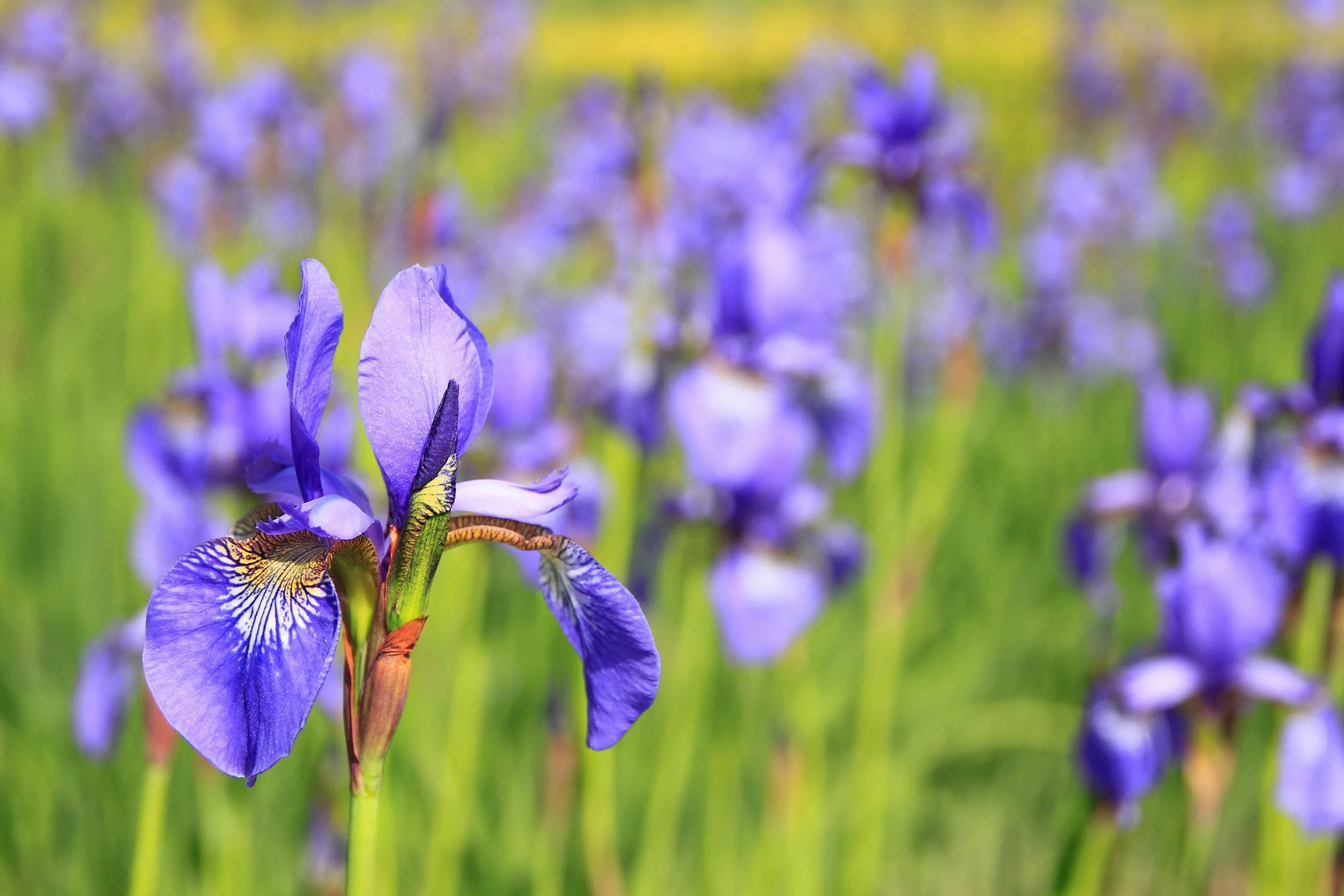
April arrives in Del Norte County with an explosion of color that transforms the redwood forest understory and coastal hillsides. Trillium carpet the forest floor. Wild iris bloom in purple clusters along roadsides. Rhododendrons burst into pink and white blooms that light up the deep shade beneath ancient trees. For many Crescent City residents, spring wildflower season means hiking Howland Hill Road, exploring Jedediah Smith trails, or driving backroads to see what's blooming. But for hospice patients who can no longer walk forest paths or drive themselves to favorite viewing spots, experiencing this final spring requires different approaches.
The ache of missing spring wildflowers runs deeper than simple disappointment about a pleasant activity becoming impossible. For people who've lived in Del Norte County their whole lives, spring blooms mark time and connect them to place in profound ways. Not experiencing the wildflowers means missing confirmation that the world continues its cycles, that the redwoods are still here doing what they've done for centuries, and that spring still comes even when your own seasons are ending.
Finding ways to bring Del Norte's spectacular spring blooms to hospice patients- whether through flowers brought indoors, carefully planned short drives, photographs of favorite spots, or simply talking about what's blooming now- honors their connection to this place during their final season.
The Flowers You Might Find
Del Norte's spring wildflowers, blooming in the cool shade of redwood forests, can be carefully brought indoors to patients who cannot venture outside to see them.
Trillium, with their distinctive three-petaled white blooms, appear in abundance along Howland Hill and throughout Jedediah Smith in April. These delicate flowers don't last long once cut (consider bringing a little vase with you so they don’t wilt on the way home!), but even a day or two in a vase brings the forest directly to your loved one's bedside. The sight of trillium triggers immediate recognition for anyone who's walked these woods in spring.
Redwood sorrel with its clover-like leaves and delicate pink or white flowers carpets the forest floor and makes lovely small arrangements. The leaves fold up at night and reopen in morning, providing living movement that interests patients watching from bed.
Wild iris blooming purple-blue along roadsides and in open areas can be cut and brought inside where their striking color and distinctive form create dramatic arrangements. These tougher flowers last longer in vases than delicate forest blooms, and their large blossoms can be easily enjoyed from across the room.
Pacific bleeding heart with its unusual dangling heart-shaped flowers fascinates people who haven't seen these delicate pink blooms before and brings back memories for those who know them from years of forest walks.
Collection Tips
Fetch blooms and foliage legally and sustainably. Don't pick flowers from state or national parks where collection is prohibited. Instead, gather from roadsides on public land where picking is allowed, from your own property, or from friends' land with permission. Take only small amounts, leaving most blooms for others to enjoy and for plants to complete their reproductive cycles.
What To Do With Your Floral Treasures
Arrange wildflowers simply in small vases or jars rather than trying to create elaborate displays. The beauty of forest wildflowers lies in their natural simplicity, and fussy arrangements diminish their wild character. A few stems in a mason jar captures their essence better than structured florist-style arrangements.
Place arrangements where your loved one can see them easily from bed or chair. Position vases on bedside tables, windowsills, or other surfaces within their sightline so the flowers become part of their daily visual environment rather than decoration they must strain to see.
Change water daily since wildflowers are delicate and water can become cloudy quickly. Fresh water extends bloom life and prevents unpleasant odors in the sickroom.
Talk about the flowers and where they came from. "I picked these trillium along Howland Hill this morning where we used to walk" provides more than just flowers—it provides connection to specific places and shared memories.
Press flowers to preserve the memories. You can put them in a sheet of folded wax or parchment paper, place them in a book, then stack another few books on top of them. After they have dried for a few weeks, you can frame them, turn them into bookmarks with construction paper and Contact Paper, or even preserve them in resin.
Short Drives to See Blooms
Some hospice patients retain enough mobility and stamina for brief car trips to see wildflowers in their natural settings, creating final experiences in places they've loved throughout their lives.
Howland Hill Road offers the most spectacular spring wildflower display in Del Norte County, with the rough unpaved road winding through old-growth redwoods where forest floor blooms create carpets of white, pink, and green beneath towering trees. The road's rough condition makes this drive challenging for very fragile patients, but for those who can tolerate some jostling, seeing Howland Hill one more time provides profound connection to place.
Drive slowly and stop frequently to allow your loved one to really see and absorb the blooms rather than just passing through. Pull off in the wider spots along Howland Hill or other forest roads, turn off the engine, roll down windows, and sit in silence while your loved one takes in the sights, sounds, and smells of the spring forest.
Time drives for optimal conditions. Mid-morning on dry days after several days without rain provides the best combination of good light, dry roads, and flowers at their freshest. Avoid rainy days when rough roads become treacherous and visibility is poor.
Prepare the vehicle with pillows, blankets, and anything needed for your loved one's comfort during the drive. Position them where they can see out windows easily, and adjust seat angles if possible to maximize visibility.
Keep drives short: perhaps 30 minutes to an hour total including stops. Even patients who desperately want to see wildflowers tire quickly, and the goal is creating a positive memory rather than an exhausting ordeal.
Jedediah Smith day use areas provide easier access than Howland Hill for patients who cannot tolerate rough roads. Paved parking areas and short distances to forest views allow experiencing redwood forest spring with minimal difficulty.
Coastal drives to see wildflowers on bluffs and hillsides work well for patients who cannot manage forest road roughness. Highway 101 south toward Patrick's Point or north toward the Oregon border passes through areas with spring blooms visible from paved roads.
Enjoy the spring flowers and the beautiful time you get to spend with your loved one!