
The Caregiver Who Never Wanted the Job
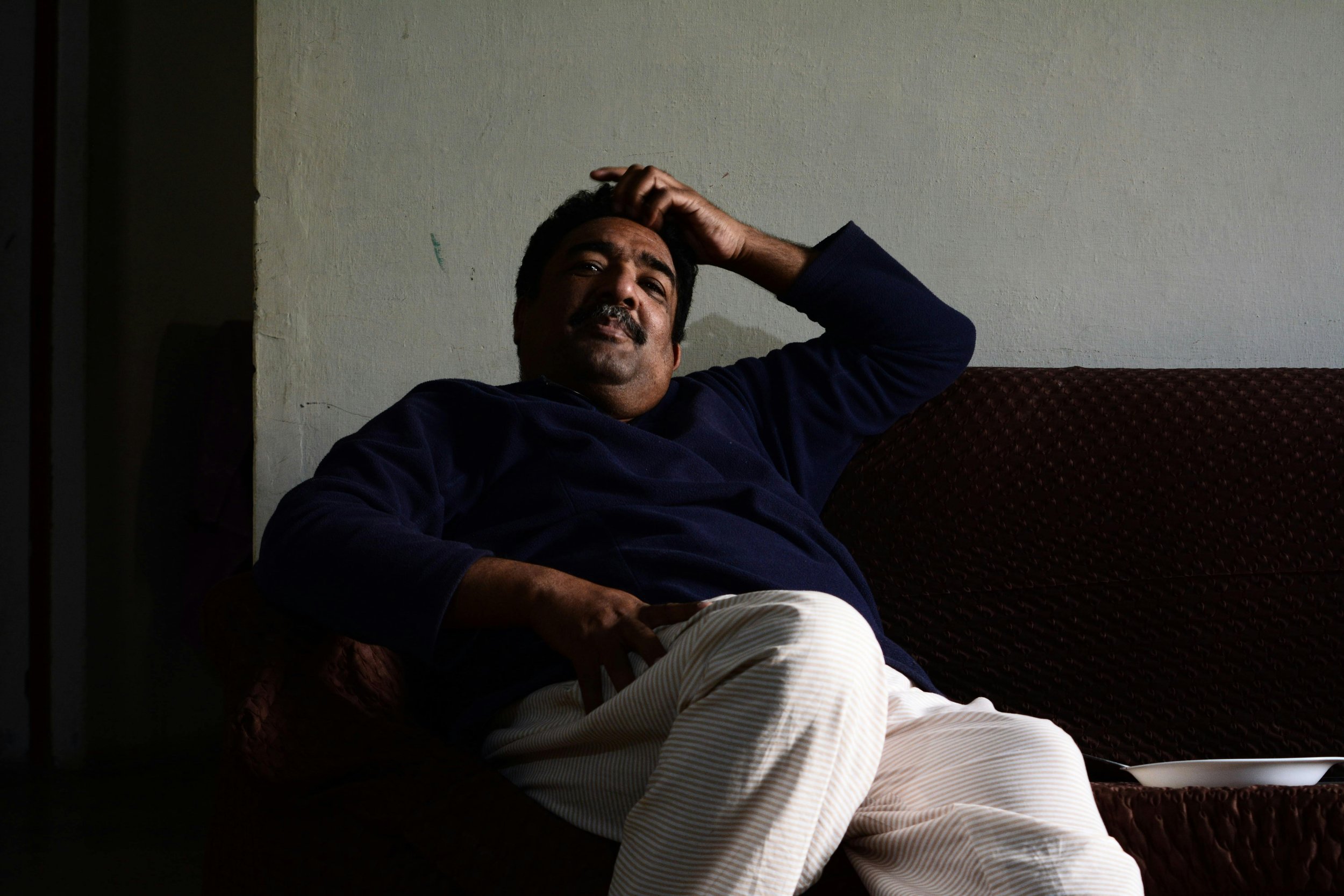
Nobody asks you this out loud, but you've probably asked yourself…
How did I end up here?
Maybe you're the only child, or the only one who lives close, or the only one your siblings could guilt into saying yes. Maybe you walked away from this parent years ago for reasons that were real and valid, and now here you are, back in their house, managing their medications, wiping their face, watching them die. Maybe you said yes because there was no one else, not because you wanted to, and not because your relationship with this person ever gave you a reason to.
Maybe you don't even like them very much.
If that's where you are, this is for you.
You are not alone in this.
The idea of the devoted child at the bedside, full of love and tender memories, is real for some people. It is not real for everyone. Some caregivers are caring for a parent who was absent, or cruel, or an addict, or simply cold in ways that left marks. Some are caring for a spouse after a marriage that had gone very wrong. Some are caring for someone they love but with whom they have a painful and tangled history that doesn't just disappear because that person is now dying.
Hospice workers see this every day. The caregiver who sits in the chair across the room instead of beside the bed. The one who does everything right but can't bring themselves to hold the patient's hand. The one who cries in the hall, and not always from grief.
You are not strange. You are not broken. You are in one of the hardest spots a person can be in, and you got there by showing up when someone needed you, even though you didn't want to.
That counts for something. It counts for a lot.
The weight of a complicated history
When the history between you and the person you're caring for is painful, dying doesn't erase it. You may have hoped it would. A lot of people do. They imagine that when the end comes, something will shift, some door will open, and the relationship will finally become what it never was. Sometimes that happens. Often it doesn't.
If your parent never said sorry, they may not say it now. If they were not able to show love in the ways you needed, that probably hasn't changed either. And you may find yourself grieving not just the person in the bed, but the parent you never had, the one you kept hoping might still show up. That grief is real. It is its own specific kind of loss, and it deserves to be taken seriously.
You are allowed to feel angry. You are allowed to feel robbed. You are allowed to sit in that room and do your job with care and skill and still feel, underneath all of it, that this isn't fair.
Because, maybe, it isn't actually fair.
Doing the job without pretending
You don't have to feel warmth you don't have. You don't have to perform a closeness that isn't real. What matters is that the person in your care is safe, comfortable, and not alone. You can provide all of that without being a devoted child in the movies. Plenty of people do.
In fact, caregivers in complicated situations often do the practical work exceptionally well, precisely because they are running on duty and resolve rather than emotion. They don't fall apart as easily. They make clear-headed calls. They ask the hard questions of the hospice team because they aren't too deep in grief to function.
That is ok, and it isn’t something you should feel guilty about.
What you do need to watch for is the toll this takes on you specifically. Caregiving is hard for everyone. For someone with a painful history with the patient, it can bring up old wounds in ways that are raw and sudden. A certain tone of voice. A familiar look. The way they reach for you now that they never reached for you then. These things can land hard, and you deserve support for that.
If your hospice team includes a social worker or a counselor, please use them. Tell them the truth about where you're coming from. They have heard it before, and they will not judge you for it. Their job is to support you as much as the patient, and you need that support perhaps more than most.
If you're waiting for a feeling that doesn't come
Some caregivers in this position wait to feel love, or peace, or some kind of resolution that makes the whole thing make sense. If that feeling comes, good. If it doesn't, that doesn't mean you failed.
You showed up. You did the work. You gave someone a decent death even when they hadn't given you a decent life. There is no small thing about that.
What you feel or don't feel at the end of this is not a verdict on who you are. People are complicated. Families are complicated. Loving someone and being hurt by them can live in the same chest at the same time, and so can doing right by someone you're still angry at.
You don't have to sort all of that out before they die. You may never sort all of it out. That's okay.
After
Grief after a complicated loss is its own terrain, and it doesn't always look like what people expect. You might feel relief, and then guilt about the relief. You might feel nothing for a while, and then get blindsided weeks later. You might feel grief for the relationship rather than the person, or grief for the version of this that you always wished it could have been.
All of that is normal. All of that deserves care.
You gave someone your time, your energy, and your presence during the hardest passage of their life. You did that even though it cost you. Even though you didn't want to. Even though the history between you made every day harder than it needed to be.
That is heroic, and brave, and one of the kindest things one person could do for another.
If you are taking care of a loved one in hospice and need some support, check out our Caregiver Support Group. It is free and open to anyone in the community to join.