
When Your Loved One in Hospice Misses Their Casino Routine
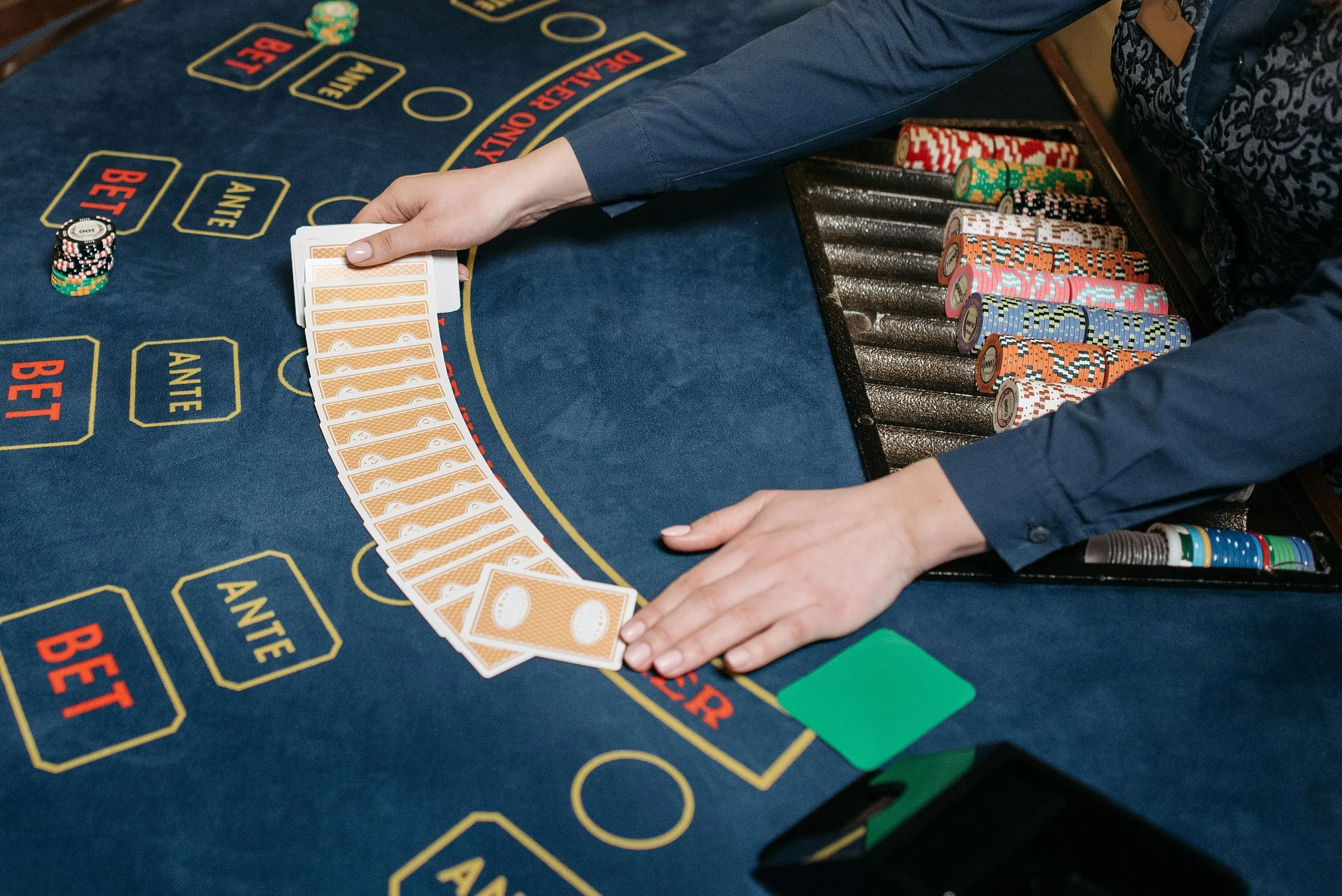
Your dad has been a casino regular for twenty years. Every Tuesday and Friday afternoon, he'd head to his favorite slot machine, chat with the regulars he's known for years, enjoy the complimentary coffee, and play his lucky numbers. The casino wasn't just gambling for him… it was social connection, routine, entertainment, and a place where he felt comfortable and happy. Now he's in hospice care, too weak to make the trip, and you can see how much he misses that familiar rhythm and excitement.
Many hospice patients were regular casino visitors before illness made the outings impossible. For these individuals, losing access to casinos means losing more than just gambling. They've lost their social community, their routine, the stimulation and excitement of gaming, and a significant source of pleasure and entertainment during their final months.
While you cannot recreate the full casino experience at home, you can bring elements of casino gaming, excitement, and social interaction to your bedbound loved one. Understanding what they truly miss about casinos and finding creative ways to provide similar experiences helps fill a significant gap in their quality of life during hospice.
What Casino Regulars Actually Miss
Before attempting to recreate casino experiences at home, understanding what your loved one valued about casino visits helps you focus on the aspects that mattered most to them.
The social community at casinos often matters as much as the gambling itself. Regular visitors develop friendships with other players, chat with dealers, and enjoy the human interaction that comes with familiar faces in familiar places. This social network disappears when illness prevents casino visits.
The routine and structure of regular casino visits created rhythm in their week. Knowing they'd be at the casino Tuesday afternoons gave them something to anticipate and plan around. The loss of this routine leaves empty spaces in their schedule and removes forward-looking anticipation.
The excitement and stimulation of casino environments- the sounds, lights, activity, and possibility of winning- provided sensory engagement and mental activation that bedbound hospice patients desperately lack. Days at home feel dull and unstimulating compared to the buzzing energy of a casino floor.
The independence and autonomy of deciding how to spend their time and money at casinos represented freedom that hospice patients have lost. Making gambling decisions, however small, allowed them to exercise choice and control during a life stage where most control has been stripped away.
The hope and possibility inherent in gambling, even when losses exceed wins, provided optimism and forward-thinking that hospice patients struggle to maintain. Each pull of the slot machine or hand of cards carried potential for good fortune that made the present moment exciting.
Organizing a Home Casino Night
Creating a casino experience at home for your hospice loved one provides entertainment, social connection, and the thrill of gaming adapted to their current abilities.
Set up simple card games like blackjack or poker at bedside using real cards and chips. Even if your loved one can barely hold cards, watching others play, advising on decisions, or participating minimally creates connection to familiar casino games. Use poker chips for betting even if no real money changes hands. The physical chips create authentic casino atmosphere (and are just fun to play with!). Look into playing card holders for patients who have a hard time managing their cards, or designate one of the grandkids as the card holder and chip counter.
Invite their casino friends to visit and play together. The people they saw regularly at casinos would likely welcome the chance to visit and recreate some of the social gambling experience at home. A few friends playing cards together around the bed brings back the community aspect of casino visits.
Set up a bingo game with multiple players if your loved one enjoyed bingo at the casino. Bingo requires minimal physical ability and creates the same anticipatory excitement as casino bingo. Use actual bingo supplies for authenticity rather than just making a game up.
Serve foods and drinks associated with casino visits. If your loved one always got the coffee and pastry at the casino, serve those same items during home casino sessions. These sensory details trigger positive associations and make the experience feel more authentic.
Keep sessions relatively short since hospice patients tire quickly. An hour of casino-style gaming might provide as much pleasure as the four-hour casino visits they used to manage, and ending while they're still engaged leaves them with positive anticipation for the next casino night.
Casino Apps and Online Gaming
Modern technology provides extensive casino gaming options that bedbound hospice patients can access through phones, tablets, and computers with minimal physical ability required.
Download free casino game apps that simulate slots, poker, blackjack, roulette, and other popular casino games. Many apps provide realistic graphics, authentic sound effects, and the visual experience of casino gaming without requiring real money gambling. Search app stores for "casino games" or "slots" to find dozens of options. There are so many options in the app store that you can probably find a slot machine gamed themed to their favorite movie, show, or character.
Set up games on a tablet with a stand positioned at comfortable viewing angle from bed. Tablets provide larger screens than phones, making games easier to see for patients with declining vision. Adjust brightness and text size to accommodate their visual abilities.
Help your loved one learn to tap the screen to play if they have enough hand strength and coordination. Most casino apps require only simple tapping or swiping that many hospice patients can manage even with limited dexterity. For those who cannot physically operate devices, you or other caregivers can tap the screen following their verbal instructions.
Enable sound effects and music within the games since audio provides much of the excitement and sensory experience of casino gaming. The sounds of slot machine spins, winning jingles, and card shuffling all create authentic casino atmosphere. There are also bingo games that call out the numbers and even let you play multiple cards at once.
Consider social casino apps that allow playing with other people online if your loved one enjoyed the social aspect of casino gambling. These games connect players virtually, providing some of the community experience of casino floors.
For patients who previously gambled real money at casinos and have the cognitive ability to manage it, consider allowing small-stakes online gambling if it's legal in your state and your loved one wants this. The thrill of actual money on the line, even small amounts, might provide more authentic excitement than free games. Discuss this option with family to ensure everyone is comfortable with real gambling during hospice.
Set up recurring casino game sessions at specific times like "Tuesday afternoon slots" to recreate the routine and anticipation of regular casino visits. Having scheduled gaming time gives your loved one something to look forward to and restores some of the structure their casino routine previously provided.
Low-Stakes Home Gambling for Families
Creating simple gambling games that involve small amounts of real money can bring authentic casino excitement to family gatherings at your loved one's bedside.
Play poker or blackjack with family members using real money in small denominations. Even betting quarters or dollars creates the genuine thrill of winning and losing that free games cannot match. Pool winnings at the end to give to the hospice patient as a gift regardless of who actually won.
Set up a family sports betting pool for upcoming games if your loved one followed sports. Everyone puts in a few dollars and makes predictions about game outcomes, with winners splitting the pot. This creates days of anticipation and gives something to discuss during the games themselves.
Create a family lottery pool where everyone contributes and purchases lottery tickets together. Let your loved one pick some numbers or choose tickets even if they cannot physically buy them. Share the excitement of checking numbers together after drawings.
Organize friendly competitions with small prizes like choosing what's for dinner, picking the evening movie, or winning a favorite dessert. These low-stakes "bets" on card games, dice rolls, or simple contests create winning and losing without requiring actual money.
Play casino-style dice games like craps simplified for bedside use. A few dice, simple betting rules, and family members taking turns rolling create fast-paced gambling excitement that requires almost no equipment.
Keep betting amounts small enough that losses don't matter financially but large enough that winning feels genuinely exciting. The sweet spot varies by family, but even five or ten dollars creates authentic stakes while remaining affordable for everyone involved.
Adapting Casino Games for Limited Abilities
As hospice patients decline, their ability to physically participate in gaming decreases. Adapting games to their changing abilities keeps casino experiences accessible.
Switch from games requiring hand dexterity to those requiring only verbal participation or simple yes/no responses. Instead of holding and playing cards, let them advise others' hands or call out when to hit or stand in blackjack.
Reduce complexity as cognitive function declines. Move from poker which requires strategy to simpler luck-based games like slots or roulette where outcomes are random and don't require tactical thinking.
Make games shorter as attention spans shrink. Instead of hour-long poker games, play quick rounds of blackjack or a few slot machine spins that provide entertainment in brief bursts matching their current capacity.
Accept that eventually your loved one might only be able to watch rather than actively participate. Playing casino games in their presence while they observe still provides entertainment, familiar sounds and activities, and social connection even when they cannot play themselves.
You can also watch the World Series of Poker (or YouTube old tournaments). Because of the commentary and way everything is recorded, it can often times be just as interesting as a sitcom.
Bringing Casino Community Home
The social aspect of casino culture often matters more to regular visitors than the gambling itself. Recreating this community provides significant comfort.
Invite casino friends to visit regularly, not just for gaming but for the social connection your loved one valued. These friends speak the same language about machines, wins and losses, casino food, and shared experiences that family members might not relate to.
Share casino gossip and news from the casino floor that friends bring during visits. Hearing about who won what, which machines are hot, and what's happening at the casino keeps your loved one connected to that community even when they cannot participate directly.
Display photos from past casino trips and wins throughout your loved one's room. Seeing themselves at the casino during happier times, pictures with casino friends, or photos of big jackpot wins all trigger positive memories and maintain connection to that important part of their identity.
Connect virtually with casino friends who cannot visit in person through video calls. A friend at the casino could FaceTime from the casino floor, showing your loved one the sights and sounds while chatting about what's happening.
The Meaning Beyond the Gambling
Understanding why casinos mattered to your loved one helps you honor that part of their life during hospice even when casino visits are no longer possible.
For many regular casino visitors, gambling provided an acceptable form of excitement and risk-taking during life stages where other adventures became impossible. The thrill of potential wins, even small ones, activated pleasure centers and created positive emotional experiences during otherwise routine days.
Casinos offered an egalitarian social space where people from all backgrounds gathered around shared activity. Your loved one might have felt more comfortable and accepted at the casino than in other social settings.
The independence of making their own gambling decisions and managing their own entertainment without requiring anyone's permission represented autonomy that many seniors feel slipping away in other life areas.
Regular casino visits demonstrated they were still active, independent, and living life rather than just waiting to die. Continuing to engage with casino experiences during hospice affirms their identity as someone who enjoys life and seeks pleasure despite terminal illness.
Your loved one's identity as a "casino regular" or "slots player" might be significant to how they see themselves. Honoring this identity through adapted casino experiences during hospice shows you value who they are and what brings them joy.
Casino culture, with its unique language, rituals, and community, created belonging and meaning. Maintaining connection to this culture during hospice helps your loved one feel like themselves rather than just a dying patient who's lost all previous identity.
Your loved one might not be able to visit the casino anymore, but the experiences, excitement, and community that mattered to them can still be part of their life during hospice. Whether through home casino nights with friends, tablet games that recreate slot machine thrills, or simple family card games with small stakes, bringing elements of casino culture to bedside honors what brought them joy and provides genuine entertainment during the final months. Every winning hand, lucky spin, or gathering around games with people they care about represents moments of pleasure and normalcy during a time when both are precious and rare.