
Bringing Spring Bulbs Indoors: A February Project for Hospice Patients
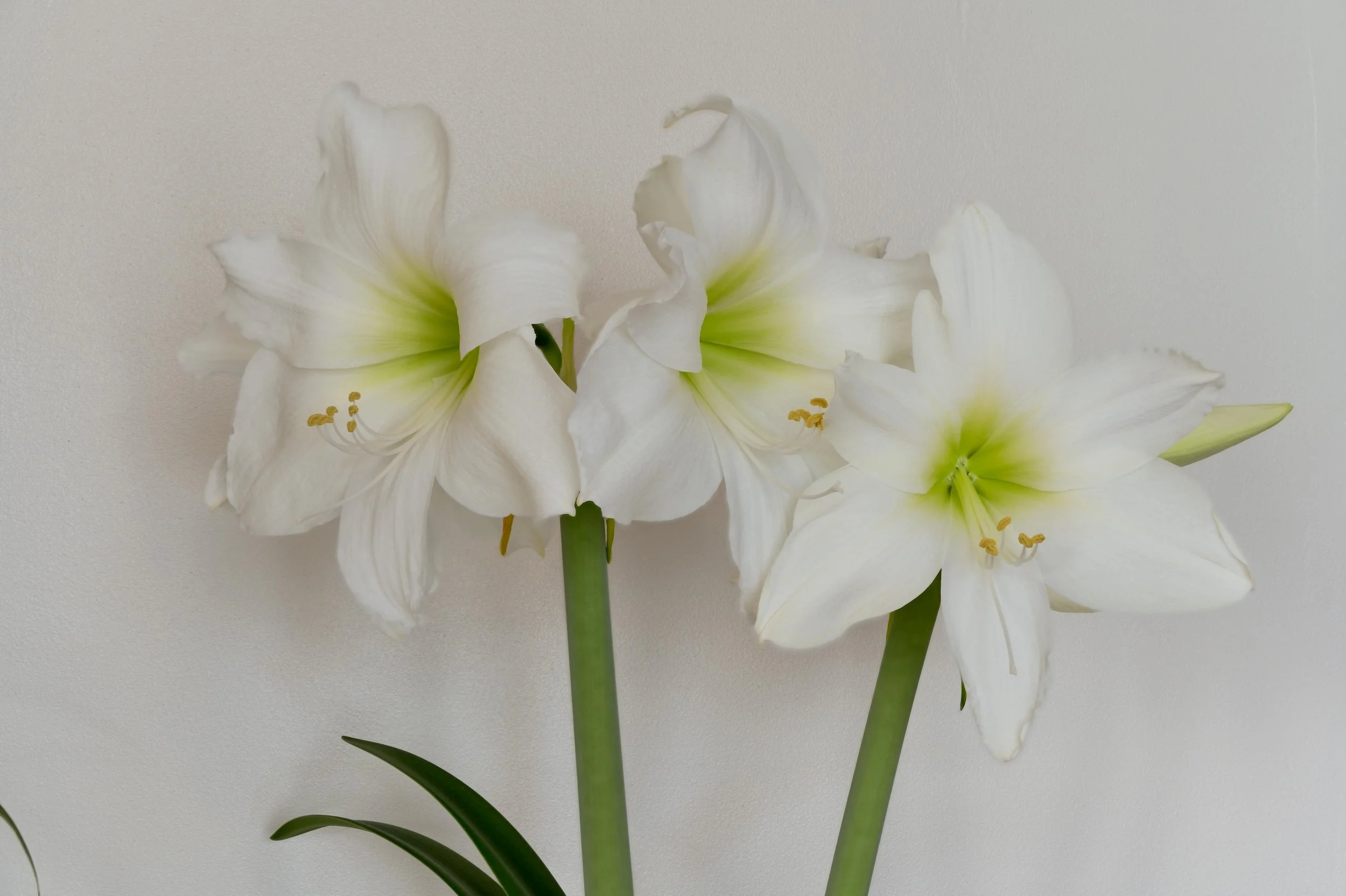
White Amaryllis Flowers.
February in Crescent City brings rain, fog, and gray skies that seem to stretch forever. Outside, spring feels months away. But inside, you can create your own spring right now by forcing bulbs to bloom.
Forcing bulbs means tricking them into flowering indoors before their natural outdoor season. You place them in water or soil, give them light, and watch them transform from brown lumps into gorgeous flowers. The process takes weeks, which gives you something to anticipate and check on daily.
This gentle project works perfectly for hospice patients. It requires minimal energy. You can do most of it sitting down. The bulbs don't need constant attention. And the reward is real beauty appearing in your room when you need it most.
Why This Project Works
Bulbs deliver guaranteed success. Unlike seeds that might not sprout or plants that require perfect care, bulbs contain everything they need to bloom. Your job is simply to provide water and light. The bulb does the rest.
Watching growth happen lifts spirits. Each day brings visible change. A green shoot pushes up. Stems lengthen. Buds form and swell. Then flowers open, filling your room with color and often fragrance. This daily progress gives you something hopeful to focus on.
The project fits limited energy levels perfectly. You spend maybe 30 minutes setting up bulbs initially. After that, you check water levels every few days and watch. That's it. No weeding, no transplanting, no complicated care.
Bulbs work from bed or a chair near a window. You don't need to go outside or move around much. Everything happens within arm's reach or viewing distance.
Choosing Your Bulbs
Some bulbs force easier than others. Start with the simplest ones for your first attempt.
Paperwhites are the easiest bulbs to force. They don't need any cold period. You put them in water and they grow. Within three to four weeks you get clusters of white or cream colored flowers that smell sweet and slightly spicy. Each bulb produces multiple flowers on tall stems.
Amaryllis bulbs create dramatic flowers on thick stalks. One large bulb produces enormous trumpet shaped blooms in red, white, pink, or striped combinations. Amaryllis take six to eight weeks from planting to flowering but the spectacular results justify the wait.
Hyacinths fill rooms with intense fragrance. Their dense flower spikes come in purple, pink, white, yellow, or blue. Hyacinths need a cold period before forcing, but you can buy pre chilled bulbs ready to grow immediately.
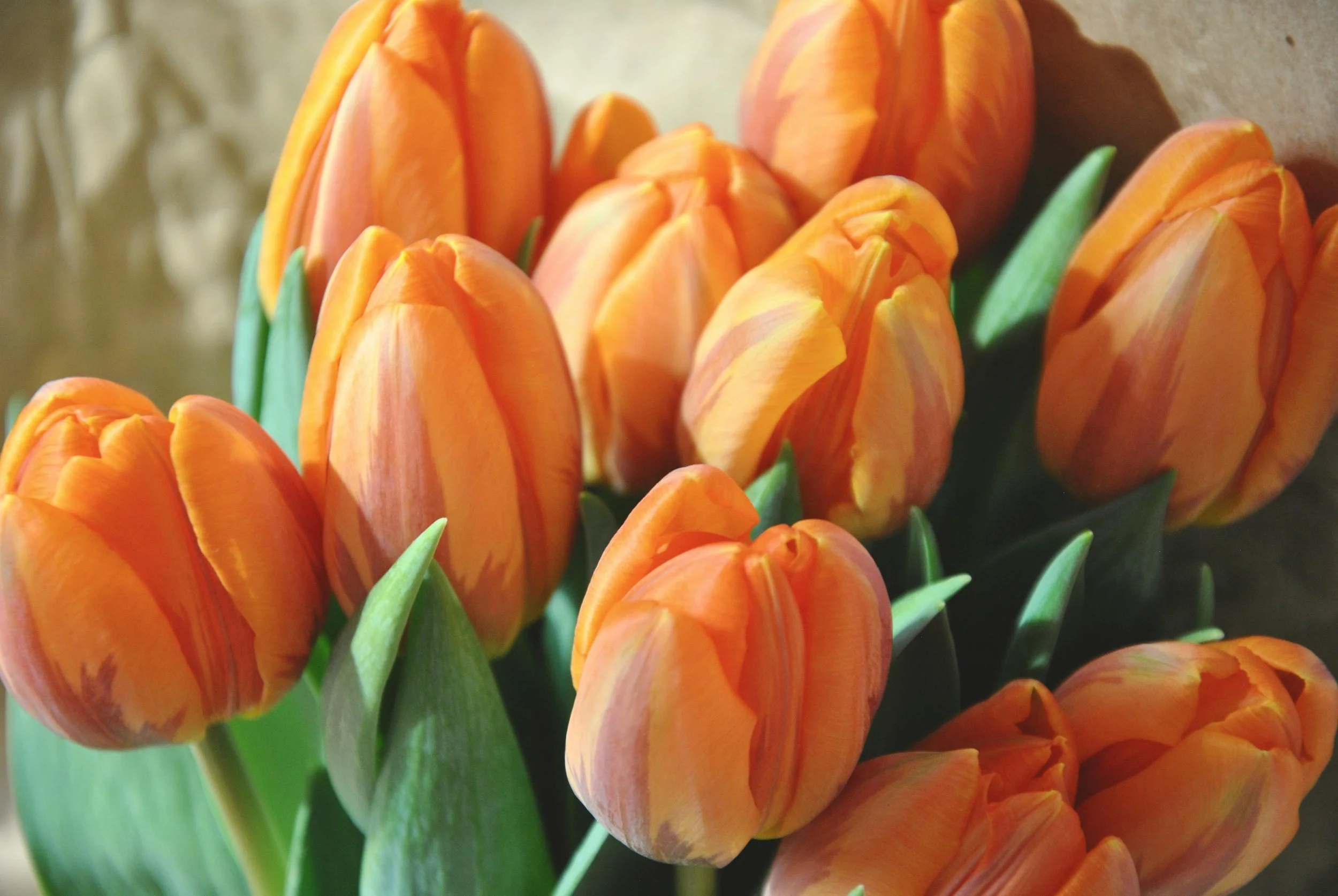
Orange Tulips.
Tulips can be forced but need pre chilling. Buy bulbs specifically labeled as pre chilled for forcing. They'll bloom about three to four weeks after planting. Tulips give you classic spring beauty in almost any color.
Crocuses are tiny but cheerful. These small bulbs produce delicate cup shaped flowers in purple, yellow, white, or striped. Plant several together for impact since individual flowers are small.
Buy bulbs at garden centers, hardware stores, or online. Look for firm, heavy bulbs with no soft spots or mold. Bigger bulbs generally produce bigger flowers. Most stores stock forcing bulbs from November through February.
The Simplest Method: Water and Pebbles
This method works beautifully for paperwhites and hyacinths. You need almost no supplies.
Find a shallow bowl or container at least three to four inches deep. Glass looks pretty because you can see roots growing, but any waterproof container works. A wide bowl allows you to plant multiple bulbs together for fuller display.
Add a layer of pebbles, marbles, or decorative stones to the bottom. These hold bulbs upright and give roots something to anchor in. You can use small aquarium gravel or even clean rocks from outside.
Place bulbs on top of the pebbles with pointed ends up. Nestle them close together but not touching. You can fit three to five paperwhite bulbs in a medium bowl.
Add more pebbles around the bulbs to hold them steady. Leave the top third or half of each bulb exposed above the pebbles.
Pour in water until it just touches the bottom of the bulbs. The water shouldn't cover the bulbs or they might rot. It should sit just below them so roots can reach down to drink.
Place your container in a sunny window. Crescent City doesn't get intense sun in February, so any bright window works fine.
Check water every few days. Add more as it evaporates or gets absorbed. Keep the level constant just below the bulbs.
Within a week you'll see roots growing down into the water and green shoots pushing up from the bulbs. Growth happens surprisingly fast once it starts.
Using Soil for More Options
Amaryllis and tulips do better planted in potting soil. This method takes only slightly more effort than the pebble method.
Choose a pot with drainage holes. It should be heavy enough that tall flowers won't tip it over. A clay pot works well because the weight provides stability.
Fill the pot about two thirds full with regular potting soil. Don't use garden dirt, which compacts too much indoors.
Place your bulb on the soil with the pointed end up. For amaryllis, leave the top half of the bulb above the soil line. For tulips, cover bulbs completely with about an inch of soil over the top.
Water thoroughly until water runs out the drainage holes. Then let the soil dry slightly between waterings. Stick your finger in the soil. If it feels dry an inch down, add water.
Put the pot in a sunny window. Turn it every few days so the plant grows straight instead of leaning toward light.
Amaryllis sends up a thick stalk before leaves appear. Don't worry if you don't see green shoots immediately. Once the flower stalk emerges, it grows fast.
What to Expect Week by Week
Week one brings roots and the first green tips. You might not see much happening above the surface, but roots are growing vigorously below.
Week two shows real growth. Green shoots push up noticeably. You can almost see them getting taller each day.
Week three brings height and the first signs of flower buds. Stems thicken and strengthen. Buds appear as swellings at the top of stems.
Week four often brings blooms, especially for paperwhites. Other bulbs might take another week or two depending on type and conditions.
Once flowers open, move your container out of direct sun to make blooms last longer. Cooler temperatures also extend flowering. Crescent City's February temperatures actually help here since rooms tend to stay cool.
Caring for Blooming Bulbs
Cut off individual flowers as they fade. This keeps the arrangement looking fresh and encourages remaining buds to open.
Keep adding water. Blooming plants drink more than dormant bulbs.
Enjoy the fragrance if your bulbs are scented. Paperwhites and hyacinths perfume entire rooms. Some people find the scent too strong. If it bothers you, move the container farther from your bed but where you can still see it.
Stake tall stems if they start to flop. A thin bamboo stake and soft string provide support without looking too utilitarian. Paperwhites especially tend to get top heavy and lean over.
Most forced bulbs bloom for one to three weeks depending on type and conditions. Amaryllis can last a month or more.
If You Have Help
Family members or caregivers can handle the physical parts of this project if reaching or lifting is difficult for you.
They can set up the containers and add water. You direct where to place bulbs and how many to use. This collaboration lets you participate even if you can't do everything yourself.
Having someone else check water levels removes that responsibility while keeping the enjoyment of watching growth.
Ask your helper to bring containers to you periodically so you can see them up close. The view from across the room doesn't show the intricate details of emerging roots or tiny buds forming.
When Things Go Wrong
Bulbs sometimes rot if they sit in too much water. If you notice soft spots or bad smells, remove that bulb and replace the water. The other bulbs will usually be fine.
Stems that grow too tall and floppy need more light. Move your container to a brighter window if possible. Staking helps manage legginess.
Buds that never open usually mean the bulb was damaged or old. This happens occasionally. Just enjoy whatever did bloom and try another bulb.
No growth at all after two weeks might mean the bulb was dead when you planted it. Replace it with a fresh one.
After Blooming Ends
Forced bulbs rarely bloom well a second time indoors. The forcing process exhausts them. You can plant paperwhites and hyacinths outside after blooming if you want, though they may not flower again. Amaryllis can sometimes be saved and rebloomed, but this takes effort.
Most people treat forced bulbs as temporary beauty. Enjoy the flowers, then compost the bulbs when blooming ends. The joy they brought was worth the small cost.
Why This Matters
Forcing bulbs proves that growth still happens even in February. Even when skies stay gray and rain falls daily. Even when you're confined mostly indoors. Life pushes forward. Beauty emerges. Spring comes whether outside conditions seem ready or not.
This small act of creating bloom carries meaning beyond pretty flowers. It shows that you can still make things happen. You can still nurture life. You can still fill your space with color and fragrance and growing things.
The bulbs don't know you're ill. They don't adjust their growth based on your condition. They just do what bulbs do. Somehow this matters. Their simple persistence reminds you that life continues with determination and purpose.