
Creating a Memory Box This Valentine's Day
Valentine's Day celebrates love in all its forms. For hospice families, this holiday offers a perfect opportunity to create something that preserves that love long after it can no longer be expressed in person.
A memory box becomes a treasure chest of moments, feelings, and connections. Your family will open it on difficult days and feel close to you again. They'll share it with grandchildren who never got to meet you. They'll add to it over the years, building a collection that honors your life and your relationships.
Making a memory box together turns Valentine's Day into something deeper than cards and chocolates. It becomes an afternoon of storytelling, laughter, and sometimes tears. It gives everyone something tangible to hold onto.
Why Memory Boxes Matter
Grief does strange things to memory. The sound of your voice starts to fade. Your family forgets which stories you told at every gathering. They can't quite remember your favorite song or the joke that always made you laugh.
A memory box fights against that fading. It holds pieces of you that stay clear and vivid. Your daughter can touch the scarf you wore constantly. Your grandson can read the recipe card in your handwriting. Your best friend can listen to the recording where you're laughing about that ridiculous trip you took together.
These physical objects anchor memory in ways that photographs alone can't. They engage multiple senses. They invite interaction. They spark conversations that keep your stories alive across generations.
Choosing the Right Container
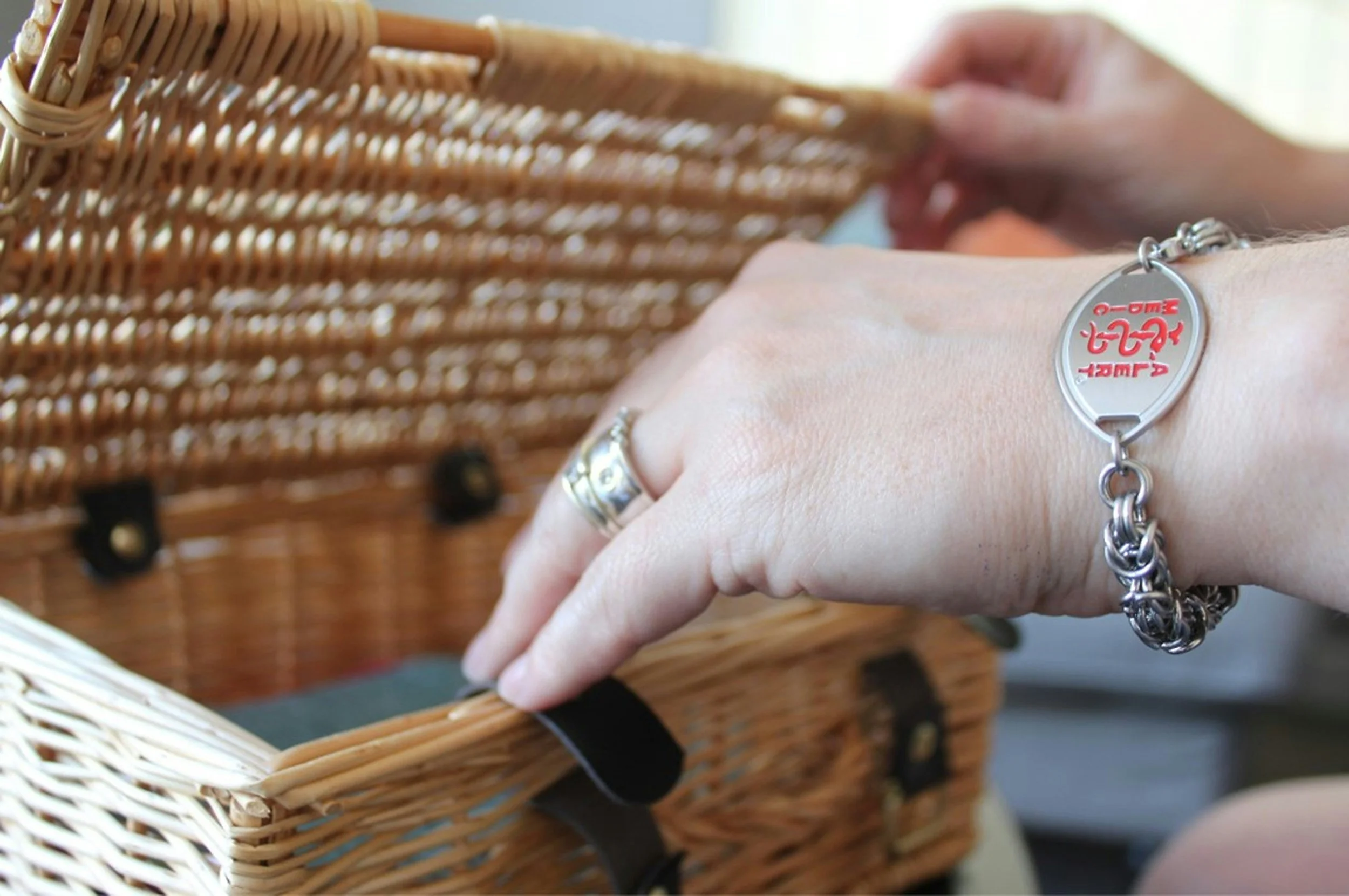
The box itself matters less than what goes inside, but choosing one together can be meaningful. Look for something sturdy that will last decades. A wooden box with a lid works beautifully. A decorative tin offers charm. A simple plastic storage container does the job if that's what you have. You can also start with a more temporary box for now, switching out to a larger box as you collect more treasured items over time.
Some families use multiple smaller boxes organized by theme or recipient. One box for your spouse filled with marriage memories. Another for your children with family stories. A third for close friends. This approach lets you customize contents for different people.
Decorate the box if you enjoy crafts. Paint it together. Glue on photos. Add stickers or ribbons. This decoration time often produces as many memories as the box itself will hold. If energy is limited, a plain box works just as well. What's inside carries all the meaning.
What to Include
Start with photos but go beyond the typical framed portraits. Include the funny ones where everyone's making faces. The blurry shots from family vacations. The pictures that capture ordinary moments like breakfast on the porch or working in the garden. These everyday images often mean more than formal pictures.
Add letters and cards you've saved over the years. Birthday cards from your children. Love notes from your spouse. Thank you cards from friends. These show relationships through time. They capture voices and handwriting. They prove that love was expressed and received.
Include small objects that tell stories. The ticket stub from your first date. A smooth stone from a beach you loved. A button from your military uniform. The keychain your daughter made in third grade. A golf ball from the day you got a hole in one. These objects seem trivial to outsiders but hold whole narratives for your family.
Put in recipes written in your hand. Not just the ingredients but the notes in the margins. "Double the garlic" or "Papa's favorite" or "Needs more salt than it says." These annotations reveal personality and preferences. They guide future cooks trying to recreate your dishes.
Add fabric pieces with meaning. A square cut from your wedding dress. A patch from your work uniform. A piece of your favorite flannel shirt. A swatch from the quilt your grandmother made. Fabric holds scent longer than almost anything. Years later, these pieces might still smell like you.
Include your handwriting on various items. Shopping lists. Doodles. Notes to yourself. The way you formed letters and crossed t's is uniquely yours. Having examples of your everyday handwriting preserves something essential.
Put in jewelry you wore regularly. Not the expensive pieces stored in safes but the watch you never took off. The bracelet that jingled. The ring you twisted when thinking. These items carry the memory of seeing them on your body every day.
Add recordings of your voice. Tell stories. Read a favorite poem. Sing a song you always sang. Explain family history. Share advice. Laugh. These recordings become priceless once your voice can't be heard anymore. Even a simple voice memo on a phone matters enormously.
Include lists of your favorites. Favorite books, movies, songs, foods, places, memories, jokes. These lists sketch your personality. They help grandchildren who never knew you understand what made you happy.
Put in awards or certificates that mattered to you. Your diploma. A work achievement. A volunteer recognition. A sports trophy. These document accomplishments you were proud of.
Add maps of meaningful places. Circle your childhood home. Mark the spot where you got engaged. Highlight the hiking trail you walked every weekend. These maps show the geography of your life.
Organizing Thoughtfully
You can simply fill a box with meaningful items and let your family sort through them. That approach works fine and creates a treasure hunt quality they might enjoy.
Or you can organize more deliberately. Use small envelopes or bags to group related items. Label them with brief explanations. "From our honeymoon 1982" or "Dad's military service" or "Photos of the old house." These labels provide context that might otherwise be lost.
Write brief notes explaining why items matter. Your family might not remember the significance of every object. A small card saying "This was Grandma's button tin, she let me play with it every visit" turns a container of buttons into a story.
Consider including an inventory list. Write down what's in the box and why each item earned its place. This list helps if items get separated or if questions arise years later.
Some families create a guidebook that accompanies the box. This booklet explains each item in detail and tells related stories. It takes more energy to create but provides incredible value for future generations.
Making It a Valentine's Project
Set aside Valentine's afternoon for memory box creation. Invite the family members you're closest to. Make it a party rather than a somber task.
Put on music you love. Serve simple snacks. Keep tissues handy because tears and laughter both happen when sorting through a life's meaningful objects.
Let everyone contribute. Your spouse suggests items you might forget. Your daughter remembers the things she cherished from childhood. Your son adds perspective on what he'd want to remember. This collaboration makes the box richer and gives everyone ownership of the project.
Tell stories as you place each item. Explain where the ticket stub came from. Describe the day you bought that scarf. Recount the time that recipe saved dinner when unexpected guests arrived. These stories get captured in memory as you create the box together.
Take photos of the process. Document which items go into the box. Photograph family members holding meaningful objects. These photos become part of the memory later, showing that you all worked on this together.
Adding to It Over Time
Memory boxes don't have to be completed in one session. Add items as you find them or remember them. Your family can contribute after you're gone, including things that remind them of you even if you never touched them.
Some families make it a tradition to open the memory box on your birthday or the anniversary of your death. They look through items together, add new pieces, and share memories. This ritual keeps you present in their lives.
You can also send the box from family member to family member over the years, so everyone can enjoy it, add to it, and remember.
Special Touches
Spray a handkerchief or piece of fabric with your perfume or cologne. Scent triggers memory powerfully. Years from now, that scent will bring you back vividly.
Record yourself reading a favorite children's book if you have young grandchildren. They can listen to your voice reading to them long after you're gone.
Include predictions or advice for future milestones. Write letters to be opened on your granddaughter's wedding day or your son's 50th birthday. These surprise messages from the past create powerful moments.
Add humor alongside sentiment. The silly items matter too. The ridiculous hat you wore to a costume party. The terrible tie someone gave you that you secretly loved. These lighter pieces balance grief with joy.
What Families Say
People who create memory boxes during hospice consistently say the process brought unexpected gifts. The afternoon spent putting it together became a cherished memory itself. The stories shared while sorting through objects captured family history that might otherwise have been lost.
After death, these boxes provide enormous comfort. Adult children report sitting with the box when they miss you terribly. They hold the objects you touched. They read your words. They listen to your voice. The box doesn't eliminate grief but it makes loss slightly more bearable.
Grandchildren who never knew you still feel connected through these collections. They ask questions about the items. They want to hear every story. The box gives them access to a grandparent they lost too soon.
Starting Today
You don't need Valentine's Day to start a memory box. You can begin today with whatever you have nearby. But Valentine's Day provides a natural prompt to focus on love and legacy.
This simple project creates something that will matter for generations. It takes your love and makes it tangible. It preserves your voice, your humor, your wisdom, and your presence.
Gather your family. Find a box. Start filling it with pieces of your life and your love. Give them this gift that they'll return to again and again, finding comfort and connection whenever they need to feel close to you.