
When Your Loved One Refuses Hospice
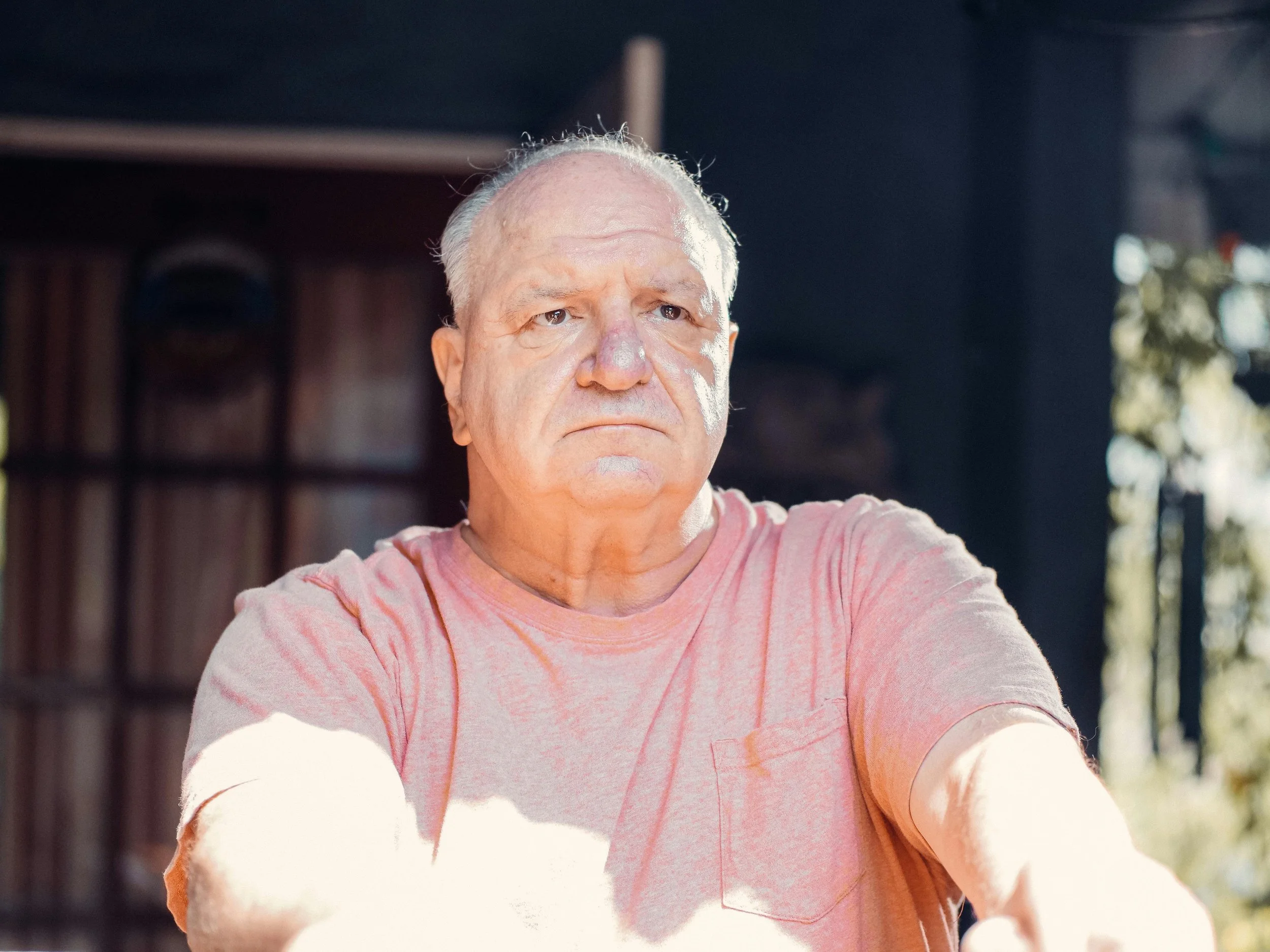
You've had the conversation with the doctors. You understand what the numbers mean and what the prognosis is. You can see with your own eyes what is happening to the person you love. And you know, as clearly as you've known anything, that hospice is the right next step.
But they disagree.
Maybe they've said it directly: they aren't ready, they aren't giving up, they don't want strangers in the house. Maybe they've changed the subject every time it comes up. Maybe they've agreed to think about it and then quietly made clear that thinking about it is as far as it's going to go.
You are now in one of the hardest positions a family member can be in. You can see what they can't or won't see, and you have no power to make them see it. Here is what you actually can do.
First, understand why they're saying no
Refusal rarely means the same thing twice. Before you can respond usefully, it helps to understand what is actually driving it, because the answer shapes everything that comes next.
Some people refuse hospice because they believe accepting it means giving up. In their mind, calling hospice is the same as deciding to die, and they are not ready to make that decision. This is one of the most common reasons and one of the most addressable, because it rests on a misunderstanding of what hospice actually is. Hospice is not a decision to die. It is a decision about how to live during the time that remains. That reframe doesn't work for everyone, but for some people it opens a door that felt closed.
Some people refuse because they are frightened of what hospice will confirm. As long as they haven't called hospice, they can maintain some distance from the reality of their situation. Saying yes to the hospice nurse feels like saying yes to everything that nurse represents. This kind of refusal is really a form of fear, and it needs to be met gently rather than argued with.
Some people refuse because they don't trust the medical system, or because they've heard things about hospice that aren't accurate, or because a friend or family member had a bad experience somewhere. These concerns can sometimes be addressed with honest information, or by offering a single conversation with a hospice team member with no commitment attached.
Some people refuse because it is their right to refuse, and their reasons are their own, and they are not going to change their mind. This is the hardest version, and it deserves its own honest treatment below.
What you can do without forcing anything
You cannot enroll someone in hospice against their will. Full stop. A patient who has the ability to make their own decisions gets to make this one, even if you believe with everything in you that they are making it wrong.
What you can do is keep the conversation alive without turning it into a fight. One way to do that is to ask questions rather than make arguments. "What would need to be different for you to feel okay about it?" or "What are you most worried about?" are questions that invite them to talk rather than defend. You may learn something that changes your approach. You may simply give them the experience of being heard rather than managed, which sometimes shifts things more than any argument could.
You can also ask their doctor to carry some of this conversation. For many patients, hearing a trusted physician say plainly that hospice is the right call lands differently than hearing it from a family member. If their doctor hasn't been direct about this yet, ask them to be. Not to pressure the patient, but to make sure they have clear information from a source they trust.
Some hospice organizations, including ours, will send a team member for a no-commitment conversation, simply to answer questions and address concerns without any paperwork or enrollment involved. If your loved one is willing to have that conversation, it is worth arranging. Many patients who refuse hospice in the abstract become more open to it once they've met the people and understood what it actually involves.
What you can ask for in the meantime
While your loved one is declining hospice, they may still be eligible for palliative care, which focuses on comfort and symptom management without requiring a patient to stop curative treatment or accept a hospice framework. If pain or other symptoms are making their daily life harder, palliative care can help with that now. Ask their doctor about this option if it hasn't come up.
You can also ask the hospice team for guidance on what to watch for at home, what symptoms to manage and how, and when to call for help. Even without a formal enrollment, getting that information puts you in a better position to care for your loved one through whatever comes next.
The consequences of waiting
This is the part that is hardest to say and most important to hear. Patients who delay hospice enrollment often come to it very late, sometimes in the final days or hours of life. When that happens, there is less time for the hospice team to build a relationship, get medications in place, and help the patient and family find their footing. The support that hospice provides over weeks and months gets compressed into a much shorter window, and some of it never happens at all.
This is not a reason to force anything. But it is a reason to keep the conversation going gently and consistently rather than letting it drop because it's uncomfortable.
If your loved one eventually agrees to hospice, even late, it is not too late. The team will move quickly and do real good in whatever time is there. But earlier is genuinely better, for your loved one's comfort and for your family's ability to use the support hospice provides.
When they truly won't budge
Some patients reach the end of their life without ever agreeing to hospice. It happens. And the family members left caring for them without that support structure deserve acknowledgment for how hard that is.
If this is where you are headed, please don't try to do it completely alone. Ask your loved one's doctor what support is available outside of formal hospice enrollment. Ask about palliative care, about home health aide services, about what community resources exist. Lean on the people around you. And if your loved one's condition reaches a point where they can no longer make decisions for themselves, and you have legal authority to make decisions on their behalf, that changes what is possible.
It is also worth saying this plainly: if your loved one dies without hospice because they chose not to accept it, that is not your failure. You cannot want this for someone more than they want it for themselves. You did not withhold something from them. They made a choice, and you respected it, and that is what loving someone sometimes requires.
One last thing
If you are in the middle of this right now, exhausted and frightened and not sure what to do next, Coastal can still help. We have our Caregiver Support Group and Grief Support Group, and you are not required to have a patient under our care to attend.
You don't have to figure this out alone.