
What to Expect From a Hospice Nurse
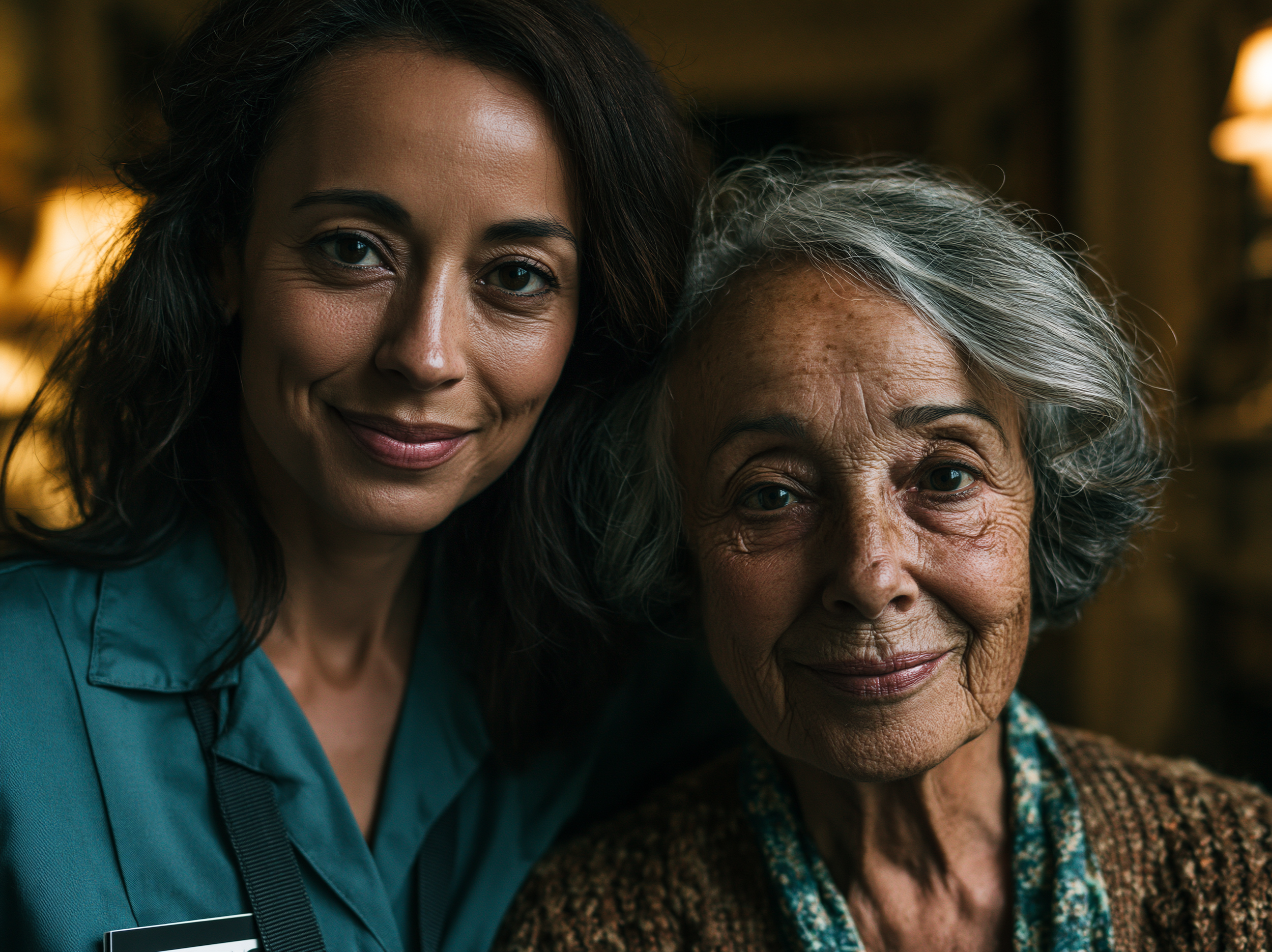
When hospice care begins, your nurse becomes one of the most important people in your life almost overnight. They show up at your door, they ask a lot of questions, they look at your loved one in ways that feel clinical and also, somehow, deeply personal. And if you're like most families, you're not entirely sure what they're doing, what they're looking for, or what you're supposed to do while they're there.
How often does a hospice nurse come?
Visit frequency depends on where your loved one is in their illness and what their care needs require. Early in a hospice enrollment, visits are often more frequent while the team gets to know the patient and establishes a baseline. Once things are stable, a typical schedule might be one or two visits per week.
That schedule changes as the patient's condition changes. When things are declining or a new symptom has appeared, visits increase. In the final days of life, a nurse may come daily or be present continuously. Your hospice team adjusts to what the situation requires, and you can always request more frequent visits if you feel you need them.
Between visits, a nurse is available by phone around the clock. That on-call line is one of the most valuable parts of hospice care and one of the most underused. If something changes or something worries you, call. That is exactly what the line is for.
What does the nurse actually do during a visit?
A hospice nurse visit is not a quick check-in. A typical visit runs anywhere from thirty minutes to an hour or more, depending on what needs attention.
The nurse will assess your loved one's physical condition. This means checking vital signs, looking at the skin for any signs of breakdown or new concerns, listening to breathing, and asking the patient about their pain and comfort level. They are building a picture of where the patient is right now and comparing it to where they were at the last visit.
They will review medications. Are the current drugs doing what they're supposed to do? Is the patient getting enough pain relief? Are there side effects worth addressing? Is it time to adjust anything? Medication management is a significant part of what a hospice nurse does at every visit.
They will look at the caregiving situation. How is the family holding up? Is the patient being turned and repositioned if needed? Is the home environment safe and set up well for the patient's current level of need? The nurse is paying attention to you as much as to your loved one, even when it doesn't feel that way.
They will educate. Good hospice nurses use every visit to teach families what to watch for, what to do, and what to call about. If something is changing in your loved one's condition, a good nurse will tell you what that means and what to expect next.
And they will document. What they find at each visit goes into the record that the whole hospice team shares. The social worker, the aide, the doctor, and the Spiritual Care Coordinator all have access to what the nurse observes and reports. The nurse is, in many ways, the central hub of communication for the whole team.
What should you do during the visit?
Be present if you can. Sit in the room, listen to what the nurse says to your loved one, and pay attention to what they're doing and why. This is how you learn what to watch for between visits.
Write things down. Not everything, but the things that matter. If the nurse mentions a new symptom to watch for, or changes a medication and explains why, or tells you what a certain change means, write it down. You will not remember everything, and the information matters.
Ask questions. Every question you have is worth asking. What does that sound in their breathing mean? Why did you change that medication? What should I do if this happens at two in the morning? A good hospice nurse expects questions and welcomes them. If you're not sure whether something is worth asking, ask anyway.
Tell the nurse what you've been seeing. You are with your loved one far more than the nurse is. What you've noticed between visits is valuable clinical information. If your loved one has been more confused than usual, or stopped eating, or seemed to be in more pain at certain times of day, say so. Don't wait to be asked. Your observations directly shape the care plan.
What a hospice nurse is not
A hospice nurse is not a home health aide. They are not there to bathe the patient, do laundry, or handle the practical tasks of daily care. That role belongs to the hospice aide, who visits separately and more frequently in many cases.
A hospice nurse is also not a doctor, though they work closely with the hospice physician and can reach them quickly when a decision needs to be made. If you have questions that feel like they need a doctor's answer, tell your nurse. They will get you that answer.
How to get the most out of your visits
Keep a running list of questions and observations between visits so you're ready when the nurse arrives. Note any changes in your loved one's condition, even ones that seem small. Have a sense of what's been working and what hasn't so you can give the nurse a clear picture quickly. Our free “Notes for My Doctor and Nurses” printable workbook is great for this.
After the visit, take a few minutes to go over what was said while it's still fresh. Fill in whatever you wrote down with any details you remember. If something the nurse said isn't sitting right with you or you realize later that you didn't understand it, call and ask. That's what the team is there for.
Your hospice nurse is one of your most important partners through this. The more you treat them as that, the better your loved one's care will be.