
The Difference Between Our Hospice Nurses and Our Hospice CNAs
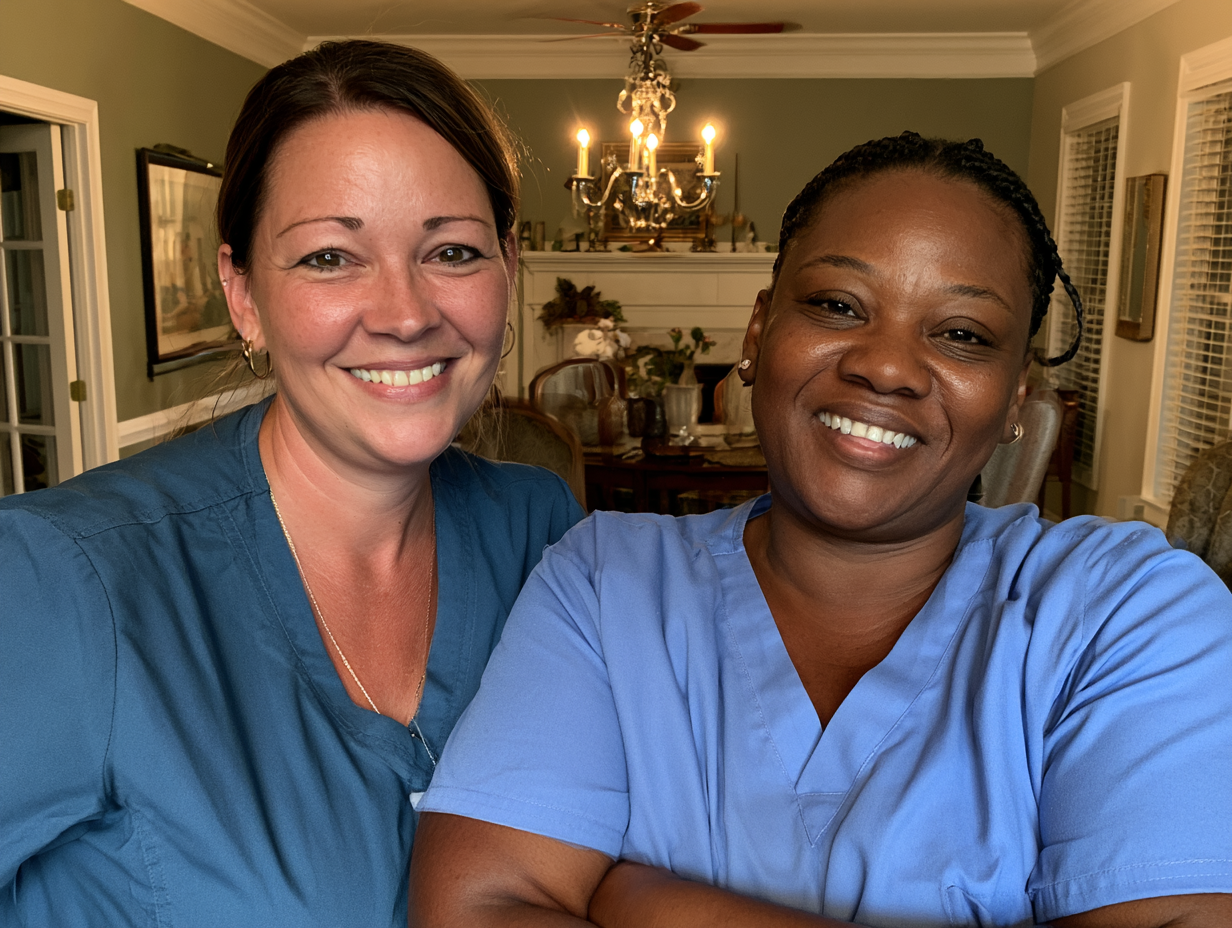
When our team first comes into your home, you'll start seeing several different faces on a regular basis. They're all there for your loved one, and they're all part of the same team, but they're doing different things. Two roles you'll get to know well are our hospice nurses and our hospice CNAs. Understanding what each one does makes it easier to know what to expect, who to reach out to, and how to get the most out of both relationships.
Our hospice nurses
Our nurses are the clinical center of your loved one's care. When a nurse visits, they're doing a full assessment: looking at your loved one's physical condition, checking how well symptoms are being managed, reviewing what's changed since the last visit, and building a picture of where things stand right now.
Our nurses manage the medication side of care. They look at whether current drugs are doing what they need to do, whether pain is being controlled well enough, and whether anything needs adjusting. They stay in close contact with our hospice doctor and keep the rest of the care team informed about what they're seeing in your home.
They're also your main source of clinical information. When something changes and you want to understand what it means, our nurse is who you call. They can walk you through what a new symptom suggests, what to watch for, and when to be concerned versus when to wait. And between visits and after-hours, our on-call line connects you to a nurse around the clock, every night, every weekend, every holiday.
If your question feels medical in nature, our nurse is the right person to bring it to.
Our hospice CNAs
CNA stands for Certified Nursing Assistant. Our CNAs come between nurse visits and focus on the hands-on, personal side of care. Bathing, grooming, dressing, mouth care, skin care, and help with moving and turning: this is the work our CNAs do during their visits.
It matters more than it might sound. Good personal care keeps a patient comfortable, protects the skin, and preserves dignity in a way that shapes the whole quality of a patient's day. Our CNAs take that work seriously, and it shows.
Our CNAs also spend time with your loved one in a way that develops into its own kind of relationship. Because they're there consistently and working in close physical contact, they get to know patients in a particular way. They learn what your loved one likes and doesn't like, what helps them relax, what makes a hard morning easier. That knowledge matters, and we're proud of the bonds our CNAs build with the people in their care.
Because our CNAs visit between nurse appointments and know your loved one's baseline well, they often notice changes before anyone else. If your CNA mentions that something seems different, take it seriously. They are in direct contact with your assigned nurse, and will notify them of anything they need to know.
They are a great resource to teach you how to do any of the tricky tasks you’ll need to do to keep your loved one safe and comfortable. Feel free to ask them for advice about bathing, feeding, and other elements of caregiving that you have questions about.
What our CNAs aren't there for
Our CNAs are not there to handle medical questions or make clinical calls. If something comes up during a CNA visit that feels medical, they'll loop in the nurse, and you're always welcome to call us directly as well. One note: our CNAs focus on the patient, not on the household. But they can connect you with the Spiritual Care Coordinator, Caregiver Support Groups, Social Workers, Volunteers, and other community resources that may help with your loved one’s care.
Getting the most out of both relationships
Tell both our nurses and our CNAs what you're seeing between visits. You are with your loved one more than anyone on our team, and what you notice matters. Don't wait to be asked. If something seems different, say so. If your loved one has been in more pain at a certain time of day, or seems more confused than usual, or stopped sleeping well, share that with whoever comes through the door next.
Ask questions of both. Our nurses are the right people for anything that feels clinical. Our CNAs are the right people for questions about personal care, about how to help with grooming or turning on days when they're not there, about the practical side of keeping your loved one comfortable day to day.
And lean on both. Our nurses and CNAs chose this work because they care about it, and the relationships they build with families are something we hear about again and again.

Our free printable workbook, Notes for My Doctors and Nurses, is a helpful tool that allows you to write down questions in-between visits, record medications and doses, and more. Click here to grab your copy!