
Letting Go of 'Perfect' This Holiday Season
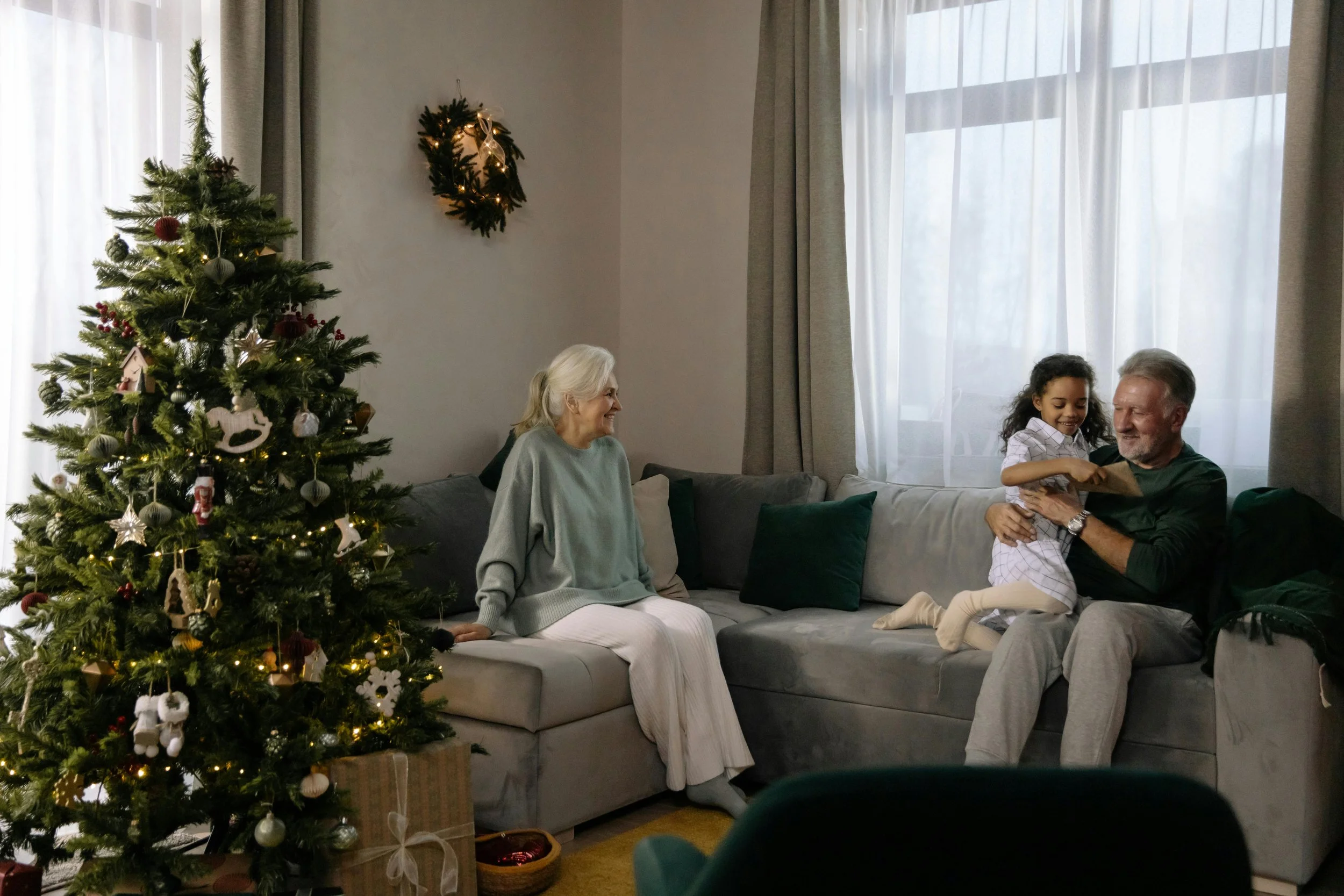
Every December, families pull out cameras to capture holiday moments. Photos of everyone gathered around the tree, smiling faces at the dinner table, and grandchildren opening presents document celebrations and create lasting memories. But when a loved one is in hospice care, holiday photos become complicated. The images you capture this year will look nothing like the cheerful pictures from years past, and that reality brings its own kind of grief.
Your loved one looks different now. They've lost weight, their color has changed, or illness has visibly altered their appearance. Medical equipment might be visible in backgrounds. Energy for smiling and posing is limited. The awareness that these are final holiday photos weighs heavily on everyone, making natural expressions difficult. Yet these imperfect images may become among the most treasured photos your family ever takes.
Learning to let go of picture-perfect holiday photos while still capturing meaningful memories requires shifting your understanding of what makes images valuable. The goal isn't creating beautiful pictures for holiday cards. It's documenting time together and preserving visual reminders of your loved one's presence during this final holiday season.
Why This Year's Photos Will Look Different
Understanding why holiday photos during hospice care look different from past years helps you adjust expectations and reduce disappointment when images don't match what you hoped for.
Physical changes from illness mean your loved one simply doesn't look like themselves anymore. Weight loss, skin color changes, swelling, hair loss, or other visible effects of disease and treatment change appearance in ways that feel shocking when captured in photos. These changes happened gradually over weeks or months, but photographs freeze them in ways that can feel harsh.
Medical equipment becomes part of the visual landscape whether you want it there or not. Oxygen tubes, hospital beds, IV poles, and other necessary devices appear in backgrounds or on your loved one's body. While you might not notice these items during actual time together, cameras capture everything and make medical elements more prominent than they feel in person.
Facial expressions reflect current reality rather than forced holiday cheer. Your loved one might not have energy for sustained smiling. Their expressions might show tiredness, discomfort, or the inward focus that often comes with serious illness. Real faces showing real feelings look different from the posed smiles in traditional holiday photos.
Group dynamics have changed as family members deal with anticipatory grief and stress. Adults might look tired, sad, or strained. Children might seem subdued or overly energetic as they cope with the situation. The easy joy that characterized past holiday photos has been replaced by more complex, harder emotions.
Positioning and framing look different when your loved one can't easily move or sit in traditional photo spots. Bedside photos, pictures taken with your loved one reclined in chairs, or images where others gather around someone who can't stand all create different visual compositions than standard family portraits.
Capturing Authentic Moments Instead of Staged Perfection
The most meaningful hospice holiday photos often come from authentic moments rather than formal posed shots. Letting go of perfectionism and focusing on genuine connection creates images with lasting emotional value.
Photograph real interactions rather than asking everyone to look at the camera and smile. Images of grandchildren showing artwork to grandma, hands being held, someone reading aloud, or family members talking together capture the actual experience of time spent together. These candid shots often become more treasured than any formal portrait.
Focus on details that tell the story of this particular holiday. Your loved one's hands holding a favorite ornament, a close-up of them looking at the Christmas tree, or their face as they listen to familiar music all provide intimate glimpses that preserve memory without requiring posed smiling.
Capture what brings your loved one comfort and joy rather than what looks good for photos. If they're happiest bundled in a favorite blanket, photograph that comfort. If they only perk up when the dog curls up beside them, that moment matters more than any posed family group shot.
Include the helpers and supporters who are part of this holiday experience. Photos that include hospice nurses, volunteers, or other caregivers document the reality of who was present during this time. These people played important roles in your family's story.
Photograph preparations and activities, not just final results. Images of family members decorating, cooking, or preparing gifts while your loved one watches or rests nearby show the full experience of holidays during hospice rather than just presenting polished outcomes.
What Makes Photos Meaningful Rather Than Just Documentation
Not all photos taken during hospice have equal value. Understanding what creates meaningful images versus pictures that only document decline helps you focus your photography efforts effectively.
Connection between people creates meaningful photos. Images showing touch, eye contact, or engaged interaction between your loved one and family members capture relationship and love. Photos of your loved one alone in bed, even if they're nicely composed, often feel more sad than meaningful unless they show peaceful contentment.
Context and story make images valuable beyond their visual content. A photo of your loved one holding a Christmas ornament becomes more meaningful when you remember it was their mother's ornament, or when you know it came from their first Christmas with their spouse. Recording these stories alongside the images preserves full meaning.
Emotion honestly shown creates powerful images even when those emotions aren't happiness. Tears, tenderness, quiet sadness, or bittersweet smiles all capture the real experience of hospice holidays. These authentic emotional moments often become more treasured than forced cheerfulness.
Participation in traditions, even modified participation, shows your loved one remaining part of family life. Photos of them opening a gift, tasting Christmas cookies, or watching others trim the tree document continued involvement despite physical limitations.
Evidence of love and care demonstrates what mattered during this time. Images showing gentle touch, someone adjusting blankets for comfort, or family members gathered close around your loved one's bed reveal the devotion and tenderness that characterized these final holidays together.
Handling Photos That Are Hard to Look At
Some holiday photos taken during hospice will be difficult to view, either immediately or later. Managing these challenging images requires thoughtful decisions about what to keep, share, and how to contextualize difficult pictures.
Acknowledge that some photos will hurt to look at because they show how much your loved one has declined. This pain doesn't mean the photos lack value. It means they capture a difficult reality that's hard to face. Images that are painful now might become cherished later as grief softens and you're grateful for any picture showing your loved one's presence.
Separate photos that document medical reality from those that show relationship and connection. You might keep both types but share them differently or look at them at different times. Clinical documentation has value for some family members while others prefer focusing on relational images.
Consider which photos to share publicly versus keeping private. Not every image needs to go in the family album or be shared digitally with extended family. Some photos exist purely for immediate family and can remain private without being deleted.
Give yourself permission to delete photos that serve no purpose and only cause pain. If certain images show only suffering without any redeeming glimpses of connection, comfort, or personality, you don't have to keep them. Not every moment needs to be preserved photographically.
Create balanced collections that include both realistic documentation and more positive moments. Looking only at the hardest photos creates an incomplete picture of these final holidays, but avoiding difficult images entirely erases important truth. Balance provides most accurate memory.
Involving Children in Holiday Photography
Children often want to take photos themselves or be involved in documentation. Managing their participation while protecting both them and your loved one requires thoughtful guidance.
Let children take their own photos with supervision. Kids often capture perspectives and moments that adults miss. Their images might be technically imperfect but emotionally authentic in ways formal photography cannot achieve.
Teach children to ask permission before photographing their loved one, especially for close-ups. This shows respect and gives patients control over when and how they're photographed. Some moments should remain private even within families.
Help children understand that not all photos need sharing. They can take pictures for their own memory without posting them on social media or sharing with friends. Private family images deserve protection, especially during vulnerable times.
Review children's photos together and talk about what they chose to photograph. These conversations reveal what mattered to them about the experience and help them process complex feelings about illness and approaching loss.
Create photo projects that give children purpose around photography. They might make a photo book gift for their grandparent, create a collage of holiday moments, or choose their favorite images to frame. These projects help them participate meaningfully in memory-making.
Technical Considerations for Better Hospice Photos
While perfection isn't the goal, understanding basic technical elements helps you capture clearer, more meaningful images during this difficult time.
Use natural light whenever possible rather than harsh flash that highlights physical changes unfavorably. Position your loved one near windows or photograph during daytime hours when soft natural light creates gentler, more flattering images.
Get close for intimate shots that focus on faces and connection rather than wide shots that emphasize medical equipment or surroundings. Close framing naturally excludes distracting elements and draws attention to people and relationships.
Take multiple shots of important moments since energy for posing is limited. Your loved one might only be able to sit up or focus for brief periods, so capture several images quickly rather than trying to get one perfect shot.
Don't delete photos immediately. Images that seem disappointing when you take them sometimes reveal unexpected value when reviewed later. Give yourself time before making final decisions about which photos to keep.
Consider asking a designated family photographer to handle photos during key moments so others can be fully present. Having one person responsible for pictures frees everyone else to engage without worrying about documentation.
Photos as Gifts
Holiday photos take on special meaning when your loved one is in hospice. Thoughtful presentation turns these images into gifts that provide comfort both now and later.
Create small photo books or framed prints that your loved one can see and enjoy immediately. Don't wait to share images after holidays or save them only for after death. Let your loved one see pictures of time together while they're still here to appreciate them.
Make photo gifts for your loved one to give to family members. Help them choose favorite images to frame or compile into albums as their final gifts to children, grandchildren, or other relatives. These picture gifts become treasured possessions.
Print photos large enough that your loved one can see them clearly despite any vision changes from illness or medication. Small phone screens might be hard to view, but larger prints provide better visibility and more impact.
Include recent photos in holiday cards if your loved one wants to be included in family updates despite visible changes. This decision belongs to them, but don't automatically exclude current images assuming they wouldn't want to be shown.
After the Holidays End
The imperfect holiday photos you take during hospice become more precious over time as you gain distance from the pain of watching your loved one decline.
Store photos carefully using multiple backup methods so these irreplaceable images remain safe. Upload to cloud storage, save on external drives, and print favorites. Technical failures shouldn't cost you these final visual memories.
Wait before culling photos extensively. Images that seem too painful or unflattering immediately might reveal unexpected value months or years later when you're desperate for any picture showing your loved one during their final months.
Share photos thoughtfully with family members who weren't present for the holidays. Some relatives might treasure seeing images even if they're hard to look at, while others might prefer remembering your loved one as they were when healthier.
Return to the photos periodically as your grief changes. Images that are too painful to view shortly after death might bring comfort a year or two later. Your relationship with these pictures will evolve as you move through grief and healing.
This year's holiday photos won't be perfect. They'll show illness, sadness, and difficult reality alongside love, connection, and precious final time together. Let go of hoping for beautiful pictures and focus instead on capturing authentic presence. These imperfect images document what really mattered: you were together, love remained strong, and you showed up for each other during one final holiday season. That truth, preserved in whatever photos you manage to take, is worth infinitely more than any perfect picture could ever be.